
 Español
 Portugues
 Pусский
 Français
 العربية
 Türk dili
 Indonesia
 Tiếng Việt
 فارسی


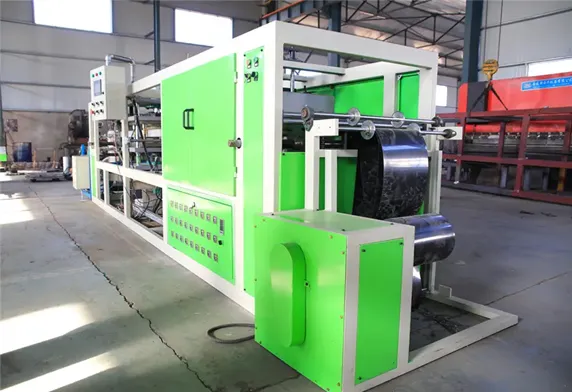
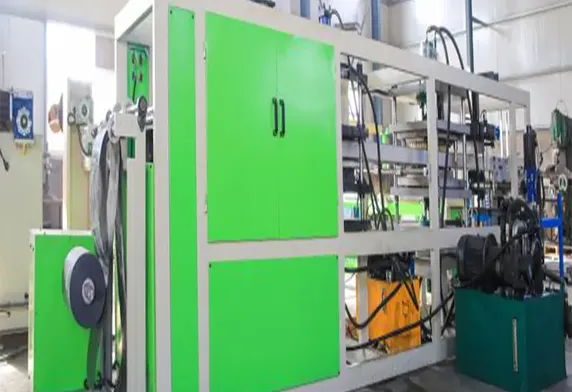
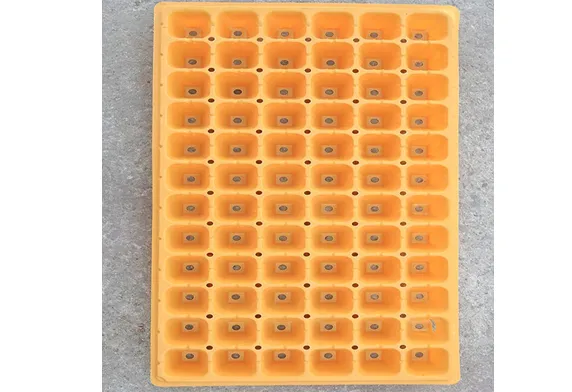
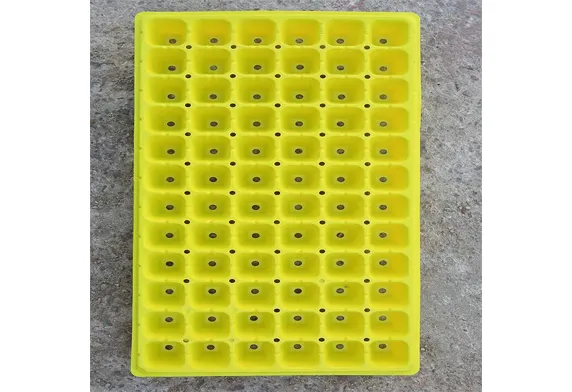
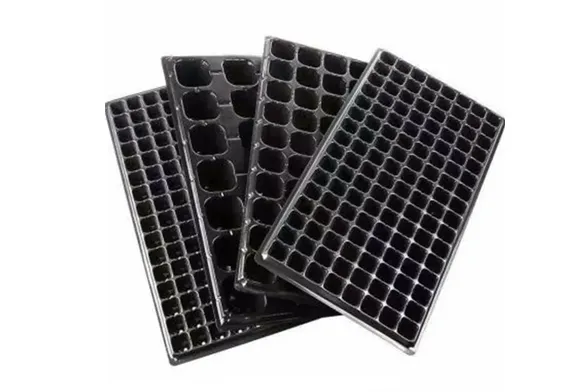

Healthy seedlings are the starting point of successful crop production. Whether a nursery supplies vegetable growers, greenhouse operators, flower farms, or commercial agricultural projects, the quality and consistency of its seedling trays can influence daily work efficiency. For manufacturers supplying these trays, choosing the right Seedling Tray Machine is an important step toward stable production, controlled costs, and reliable product quality.
At Longkou Fushi Packing Machinery Co., Ltd., we have been engaged in the development and manufacture of packaging and plastic processing machinery since 1994. Our equipment portfolio includes PS foam food container production lines, EPE foam machines and deep-processing equipment, fruit washing, waxing and sorting machines, Knotless Net Machines, and other Thermoforming Machinery. We have continued to build our business around practical engineering, product quality, and customer service.
In this product guide, we explain how a seedling tray making machine works, what buyers should consider when selecting equipment, and how a suitable production setup can support different agricultural applications. We also discuss material selection, mold design, quality inspection, production planning, and international delivery. Our goal is simple: to help you understand what matters before investing in a nursery tray manufacturing machine.
1. What Is a Seedling Tray Machine?
A Seedling Tray Machine is equipment used to manufacture trays that hold seeds, growing media, or young plants during the early stages of growth. Depending on the machine design, it may process plastic sheets through heating and forming, or use another suitable molding process. Thermoforming equipment is commonly used for producing plastic trays with multiple cells, raised edges, drainage features, and other shapes required by growers.
The tray itself may look simple, but it has a specific job. Each cell needs enough space for the selected growing medium and developing roots. The tray should be easy to fill, handle, water, transport, and clean when reuse is intended. Its overall shape must also work with the customer's greenhouse benches, sowing equipment, irrigation system, and transplanting method.
For tray manufacturers, these requirements turn equipment selection into a practical engineering decision. A machine should not be selected only because it can form plastic. It must be able to produce the required tray dimensions, cell layout, wall shape, and drainage details using the intended material and production method.
How does a seedling tray making machine work?
In a typical plastic thermoforming process, a plastic sheet is heated until it becomes soft enough to shape. The softened sheet is then drawn or pressed against a mold. After cooling, the material keeps the shape of the mold and can be removed for trimming, punching, or other finishing work.
Depending on the equipment configuration, the production process may include sheet feeding, heating, forming, cooling, cutting, hole punching, stacking, and inspection. Some systems combine several operations into one production line, while others rely on separate equipment for certain steps. Buyers should confirm the actual process and included functions for the model they plan to purchase.
The term “seedling tray machine” can refer to different types of equipment. Some machines form trays from prepared plastic sheets, while complete manufacturing lines may also include plastic sheet extrusion and auxiliary equipment. These are different investment options. If you plan to purchase a forming machine only, you will need a suitable supply of plastic sheets. If you want to manufacture sheets from raw plastic material, the project may require an extrusion system as well.
Common products and tray designs
A seedling tray manufacturing machine may be configured for various tray formats, depending on the machine's usable forming area and mold design. Common product types include vegetable seedling trays, flower propagation trays, horticultural trays, and trays used for selected agricultural planting applications.
The number of cells is one of the first details buyers notice, but it should not be the only selection criterion. A tray with many small cells may suit crops that require limited growing space during early development. A tray with fewer, larger cells may be more appropriate for plants that need additional room for root growth or a longer nursery period. The best layout depends on the crop, growing medium, cultivation schedule, and transplanting plan.
We recommend confirming the actual tray drawing before selecting a mold or machine. Cell count, cell depth, opening dimensions, drainage-hole location, tray thickness, and outer dimensions should all be reviewed together. This helps prevent a situation where the equipment can form a tray but the finished product does not fit the customer's agricultural workflow.
2. Working Process: From Plastic Sheet to Finished Seedling Tray
Understanding the production sequence helps buyers assess the machine more effectively. The following steps describe a common sheet thermoforming process. The exact sequence can vary according to whether the machine uses vacuum forming, pressure forming, mechanical assistance, or a combined forming and punching arrangement.
Step 1: Prepare and feed the plastic sheet
The process begins with a suitable plastic sheet. Depending on the system, the sheet may be supplied as individual pieces or from a roll. The material must match the machine's feeding arrangement, thickness range, width, and forming requirements.
Stable feeding helps the sheet reach the forming station in the correct position. If the sheet moves unevenly, the tray may be misaligned with the mold, resulting in irregular edges, misplaced features, or unnecessary material waste. For automatic systems, the feeding mechanism and control settings should be checked during commissioning.
Step 2: Heat the material evenly
Heating is one of the most important stages of plastic tray production. The sheet needs to reach a suitable forming condition without becoming excessively soft or damaged. Different materials respond differently to heat, and sheet thickness also affects the required heating time.
A suitable heating system should allow the operator to adjust the process to the selected material and product design. If some areas of the sheet are too cold, they may not follow the mold correctly. If other areas are overheated, the material may stretch too much, become thin, or develop surface defects.
For this reason, we recommend testing the actual production material instead of relying on a general temperature setting. A process that works well for one resin grade may need adjustment when the material supplier, sheet thickness, color, or formulation changes.
Step 3: Form the tray cells and outer shape
Once the sheet is ready, the forming station shapes it using a mold. In vacuum forming, air is removed from the space between the plastic and the mold, allowing atmospheric pressure to push the softened sheet against the mold surface. Other equipment may use positive air pressure, mechanical movement, or a combination of forming methods.
The mold determines the main features of the finished seedling tray. These can include cell count, cell shape, depth, spacing, outer rim, reinforcing ribs, and drainage-related features. Small details in the mold can influence how easily the finished tray is released and how consistently it performs during use.
Tray designs should also consider the material's stretching behavior. When a flat sheet is formed into deep cells, the plastic stretches, and the wall thickness may become uneven. The amount of stretching depends on the initial sheet, mold geometry, forming method, and process settings. If the tray needs to carry wet growing media or withstand repeated handling, wall thickness and structural strength deserve particular attention.
Step 4: Cool the formed tray
After forming, the tray needs enough cooling time to retain its shape. If it is released too early, the plastic may deform or shrink as it cools. The required cooling period depends on material properties, sheet thickness, tray geometry, mold temperature, and the cooling arrangement.
Cooling also affects production capacity. A machine may heat and form a sheet quickly, but the total output will still depend on how long each tray needs to cool and how efficiently it moves to the next station. When comparing machine quotations, we suggest looking at the complete production cycle rather than one isolated operation.
Step 5: Punch drainage holes and trim the tray
Depending on the tray design and machine configuration, drainage holes may be created during forming or in a separate punching operation. The outer edges may also need trimming to achieve the required dimensions and appearance.
Drainage features should match the intended growing system. Too few or poorly positioned holes may affect water movement, while unsuitable hole dimensions can allow growing media to escape. The exact design should be confirmed with the customer or end user rather than selected solely for ease of manufacturing.
Some production systems integrate forming, punching, and cutting to reduce manual handling. Other factories may prefer separate equipment because it offers more flexibility or fits their existing production layout. The right arrangement depends on output requirements, investment budget, product range, and available floor space.
Step 6: Inspect, stack, and pack the finished trays
After forming and trimming, finished trays should be checked for dimensions, cell integrity, edge quality, cracks, and visible defects. Where relevant, inspection can also include stacking behavior, drainage-hole position, and compatibility with sowing or transplanting equipment.
Trays are often stacked for storage and shipment. Their shape should allow practical handling without excessive sticking, deformation, or difficulty separating individual trays. Nesting design can influence how much space the products occupy in the warehouse and during transportation.
For a commercial manufacturer, the objective is not simply to produce trays quickly. It is to produce trays that meet the agreed requirements repeatedly, with a manageable scrap rate and a production process that workers can operate safely and maintain consistently.
3. Key Features and Advantages of a Well-Matched Seedling Tray Machine
When we discuss a seedling tray production project with a customer, we look at the complete manufacturing requirement rather than focusing on a single headline specification. Heating performance, mold compatibility, feeding stability, forming quality, and downstream handling all affect the final result.
Stable heating and adjustable process settings
Consistent heating helps the plastic sheet form evenly across the mold. Temperature settings and heating time should be suitable for the material and sheet thickness. For manufacturers producing several tray styles, adjustable settings can make it easier to switch between different products.
However, adjustable heating alone does not guarantee good trays. The operator must also use the correct material, mold, forming sequence, and cooling time. We encourage buyers to request a demonstration or test based on the intended product whenever possible.
Customizable molds for different cell layouts
The mold is central to the design of a seedling tray. It determines the cell layout and many of the details that growers notice during use. A custom mold may be needed when a customer has a particular tray size, cell count, cell depth, or outer frame design.
Before confirming a mold, buyers should check whether the design is compatible with the forming machine and whether the product can be released without damage. If the business plans to supply several markets, it may be useful to identify which tray sizes are most common among its target customers.
Additional molds can expand the product range, but they also add tooling costs, storage needs, and changeover work. These factors should be considered when calculating the total investment for a seedling tray manufacturing machine.
Automation that matches production volume
Automation can reduce repetitive handling and help coordinate feeding, forming, cutting, and stacking. The actual functions vary by model, so buyers should ask which operations are automatic and which still require manual work.
A fully integrated line may suit a manufacturer producing large quantities of a limited number of tray designs. A simpler setup may be more practical for a smaller factory that handles different products or has a limited investment budget. More automation is not automatically better if it introduces complexity that the factory cannot use effectively.
Consistent tray dimensions and useful structural features
Seedling trays need to fit the equipment and working methods used by growers. Consistent outer dimensions make stacking and handling easier, while consistent cell dimensions help provide predictable space for seeds and growing media.
Structural features such as reinforced rims, ribs, or carefully designed cell walls may improve handling performance, depending on the material and product design. Their effectiveness should be evaluated on the finished tray. A design that looks strong on a drawing still needs to be checked for forming quality, material distribution, and real-world use.
Practical maintenance and operator access
Production equipment needs routine inspection and maintenance. Buyers should check access to heating elements, moving components, control equipment, and areas that require cleaning. The availability of operating manuals, maintenance guidance, and replacement parts can influence long-term operating convenience.
We recommend asking about maintenance tasks before placing an order. It is better to understand the routine requirements in advance than to discover after installation that a key component is difficult to access or that a particular spare part has a long supply time.
Comparison Table 1: Common Seedling Tray Manufacturing Methods
Different tray manufacturing methods serve different production needs. The table below compares general process characteristics; it does not represent a performance test of a specific machine or guarantee that every method is suitable for every tray design.
| Manufacturing method | Basic process | Potential advantages | Points to consider |
|---|---|---|---|
| Sheet thermoforming | A heated plastic sheet is shaped over a mold, then cooled and trimmed. | Suitable for many thin-wall trays and designs based on sheet material; mold changes can support different product shapes. | Material stretching and wall thickness distribution need attention; trimming or punching may be required. |
| Injection molding | Molten plastic is injected into a closed mold and cooled. | Can produce detailed parts and repeatable dimensions when the mold and process are properly developed. | Mold investment, equipment requirements, and part design should be evaluated against production volume. |
| Blow molding | Heated plastic is expanded inside a mold using air pressure. | Useful for certain hollow products and container shapes. | Not the standard choice for every flat, multi-cell seedling tray design. |
References: European Patent Office, EP 2805604 A1, Thermoformed Seed Tray; U.S. Patent, US10206335B2, Plastic Double Tray System for Seed Sowing or Seedling Transplantation. These sources describe thermoformed seed trays and related designs. The method comparison above is a general manufacturing overview, not a claim that one process is universally superior.
4. Applications of Seedling Tray Production Equipment in Agriculture and Horticulture
Seedling trays are used in a wide range of growing environments. Their design depends on the crop, growing medium, nursery schedule, watering method, handling equipment, and whether the tray will be used once or repeatedly. A suitable seedling tray machine helps manufacturers produce the tray formats required by their customers.
Vegetable seedling nurseries
Vegetable growers often raise young plants in trays before transplanting them into fields, greenhouses, or larger growing systems. Depending on the crop and local practices, trays may be designed for tomatoes, peppers, cucumbers, leafy vegetables, melons, and other crops.
Cell count and depth should be selected according to the seed size, expected nursery period, root development, and transplanting method. Smaller cells may help growers manage large numbers of young plants in a limited area, while larger cells can provide more room for crops that need a longer growing period.
For tray manufacturers serving vegetable nurseries, it is useful to ask customers how the trays will be filled, watered, moved, and emptied. A product that is easy to form but difficult to handle may not be a good commercial design.
Greenhouse and commercial propagation
Commercial greenhouses often need predictable tray dimensions because trays move between sowing, germination, growing, and transplanting stages. Standardized sizes can make it easier to arrange trays on benches, manage irrigation, and coordinate with automated equipment.
In these environments, repeatability matters. Variations in outer dimensions or cell layout may create problems when trays are placed in carriers or handled by machinery. Manufacturers should therefore define the critical dimensions and inspection criteria before production begins.
Flower and ornamental plant propagation
Nurseries producing flowers and ornamental plants may use trays with different cell shapes, depths, and sizes depending on the plant variety and propagation method. Some plants require compact cells for early growth, while others need more growing medium or a different root-space arrangement.
For these applications, the machine's flexibility depends on its mold options and the ease of changing between product designs. If customers request many tray types, the cost and turnaround time for additional molds should be included in the production plan.
Forestry, landscaping, and restoration projects
Selected forestry and landscaping operations use containers or trays to raise young plants before moving them to planting sites. These applications can place particular demands on root development, plant handling, and transport. The final container design must suit the species, nursery method, and conditions expected after planting.
Not every forestry product is a suitable thermoformed tray application. Some systems require deeper containers, thicker walls, or reusable pots. Buyers should confirm the required product structure before choosing a sheet-forming machine.
Agricultural supply companies and tray wholesalers
Seedling trays are also purchased by distributors, agricultural supply companies, and businesses that supply greenhouse accessories. These buyers may value stable dimensions, practical stacking, consistent appearance, and predictable delivery quantities.
For manufacturers serving wholesale markets, it is worth considering packaging and logistics from the start. Nested trays can reduce storage volume in some designs, while stronger products may need different stacking or protective arrangements. The best approach depends on tray geometry, material, shipment distance, and customer handling practices.
Comparison Table 2: Seedling Tray Design Considerations by Application
| Application | Typical design priorities | Machine or mold considerations |
|---|---|---|
| Vegetable nurseries | Suitable cell count, root space, drainage, and efficient handling. | Consistent cell geometry and mold layout matched to the crop and tray format. |
| Greenhouse production | Repeatable dimensions, compatibility with benches, and easy movement. | Stable forming conditions and dimensional checks for tray-to-tray consistency. |
| Flower propagation | Different cell shapes and sizes for different plant varieties. | Practical mold-change arrangements if multiple tray designs are produced. |
| Forestry and landscaping | Suitable root space, handling strength, and compatibility with the growing method. | Confirm whether sheet thermoforming or another molding method is more appropriate. |
| Agricultural wholesale | Consistent quality, efficient stacking, packing, and transport. | Consider output, trimming, stacking, packaging, and product inspection together. |
References: ZNY Agri, Seedling Tray Applications; Haode New Material, PET Seedling Trays. These sources discuss seedling tray formats, crop applications, and general design considerations. The table is a practical summary; exact requirements vary by crop, nursery, and regional practice.
5. Material Selection, Quality Control, and Production Planning
The finished tray's performance depends on more than the machine. Material selection, mold design, process settings, and inspection standards all contribute to the final product. Before ordering a seedling tray machine, buyers should define the tray's intended use and then work backward to the material and production requirements.
Choosing the right plastic material
Different thermoplastics have different forming characteristics and finished-product properties. Depending on the product and machine configuration, materials used for seedling trays may include PS, PET, PP, and PVC. The suitability of each material depends on the exact grade, sheet thickness, required stiffness, intended service life, and local regulations.
PS (polystyrene): Used in selected tray and packaging applications. The exact grade and thickness influence stiffness, impact behavior, and forming performance.
PET (polyethylene terephthalate): Available in grades used for formed plastic products. Material clarity, stiffness, and processing conditions depend on the grade and sheet specification.
PP (polypropylene): Used in a variety of agricultural and consumer products. Its forming behavior and flexibility must be considered when selecting a machine and process.
PVC (polyvinyl chloride): Used in certain formed products, subject to formulation, processing controls, ventilation, and applicable requirements.
These materials are not interchangeable in every application. A material that is easy to form may not deliver the required strength, reuse life, or cost target. Buyers should obtain the supplier's material data sheet and confirm processing recommendations for the exact grade. Where performance is uncertain, a forming trial can help identify issues before large-scale production.
Thickness, cell depth, and wall distribution
Sheet thickness is an important purchasing detail, but it should be considered together with the tray's geometry. Deep cells may cause the sheet to stretch more than shallow cells. As the plastic stretches, its wall thickness can change, especially around corners and at the bottom of the cells.
If the tray is too thin in a critical area, it may deform or crack during handling. If the sheet is unnecessarily thick, material costs and product weight may increase. The correct balance depends on the tray design, material, growing medium, transport conditions, and expected service life.
We recommend setting measurable acceptance criteria for finished trays. Depending on the project, these may include overall dimensions, cell depth, selected wall thickness points, drainage-hole position, edge quality, and stacking performance. This makes quality checks more consistent and helps both the buyer and manufacturer understand what is required.
Mold design and drainage features
A well-designed mold should support both the forming process and the practical use of the finished tray. Cell shape, wall angle, corner radius, spacing, and drainage features can affect mold release and product handling.
Drainage requirements deserve special attention because trays are used with growing media and irrigation. Hole dimensions and positions should match the intended growing system. If the tray will be used with automatic filling or transplanting equipment, its geometry should also be checked against that equipment's requirements.
For custom projects, we advise customers to provide a drawing or physical sample. The supplier can then review the proposed dimensions and identify the information needed for mold design. Any agreed design changes should be documented before the mold is manufactured.
Quality inspection before shipment
Inspection should cover the machine configuration and the functions agreed in the contract. Depending on the order, checks may include mechanical movement, heating and control functions, feeding, forming actions, safety features, and general operation. A product-specific forming test may also be arranged if it is included in the order.
For the finished trays, inspection can include visual appearance, dimensions, cell integrity, trimming quality, and other customer-defined requirements. If the buyer needs a formal acceptance test, the inspection method, sample quantity, and pass/fail criteria should be agreed before production.
It is important to distinguish between testing the machine's basic operation and validating a complete production process. A machine may operate correctly without yet being optimized for a particular material, mold, or product. Actual production conditions should be considered when agreeing on acceptance requirements.
Comparison Table 3: Material and Product Checks Before Ordering
| Item | What to confirm | Why it matters |
|---|---|---|
| Plastic grade | Exact resin grade and material supplier specifications. | Different grades may behave differently during heating and forming. |
| Sheet thickness | Nominal thickness and acceptable variation. | Influences heating, stretching, cooling, and finished tray weight. |
| Tray dimensions | Outer size, cell count, cell depth, and critical dimensions. | Helps ensure the tray suits the customer's growing and handling system. |
| Drainage and trimming | Hole size, location, edge shape, and finishing requirements. | Supports practical use and consistent product appearance. |
| Production output | Expected finished trays per hour or shift under agreed conditions. | Helps estimate labor, material use, and delivery capacity. |
| Acceptance criteria | Inspection method, sample requirements, and agreed tolerances. | Reduces uncertainty during machine testing and delivery. |
References: European Patent Office, EP 2805604 A1, Thermoformed Seed Tray; ZNY Agri, Seedling Tray Applications and Design. These sources provide background on thermoformed tray structures and common design considerations. The checks listed above are practical recommendations, not universal regulatory standards.
6. Why Work with Longkou Fushi Packing Machinery Co., Ltd.?
Choosing a supplier is about more than comparing machine prices. Buyers need to understand the equipment configuration, manufacturing schedule, inspection arrangements, shipping requirements, and technical support available after delivery. A clear process helps both sides reduce misunderstandings and prepare for production more effectively.
Longkou Fushi Packing Machinery Co., Ltd. was founded in 1994. Our business has developed around the principle that product quality and customer satisfaction are closely related. We manufacture a range of plastic processing and packaging machinery, including PS foam food container production lines, EPE foam equipment and deep-processing machines, fruit washing, waxing and sorting machinery, knotless net machines, and thermoforming equipment.
Experience in plastic processing machinery
Our experience across different types of processing equipment gives us a practical understanding of the issues that matter to industrial buyers: material compatibility, machine configuration, process control, manufacturing quality, and delivery coordination. For a seedling tray project, the exact solution still needs to be based on the intended product and the capabilities of the selected model.
We encourage customers to share their requirements early. A tray drawing, material specification, expected order quantity, and destination can help establish the scope of the project before a quotation is finalized. If the customer is unsure about the best forming arrangement, those details provide a starting point for technical discussion.
Quality management and certification information
Our company information includes ISO 9001:2000 quality system certification, CE certification, BV and SGS certification, and a number of patents. Buyers should confirm the current validity, scope, and applicability of the relevant certificates for the specific machine and destination market. A certificate should be checked against the actual equipment and the requirements of the importing country rather than assumed to cover every model or application.
For machine purchasing, we recommend documenting the agreed technical specification, inspection items, accessories, operating instructions, and delivery requirements. Clear documentation helps establish a shared understanding of what will be supplied and how the equipment will be checked before shipment.
Production cycle and order confirmation
As a general reference, the production cycle for this type of equipment may be around 20–45 days. The actual lead time depends on machine specifications, customization, order quantity, component availability, and the factory's production schedule. The confirmed delivery time should be agreed in writing for each order.
Before production begins, buyers should confirm the machine model, forming method, material compatibility, mold design, sheet dimensions, automation level, and any optional equipment. If the project includes a custom mold or special product trial, these requirements should be included in the agreed scope and schedule.
Inspection, packing, and international transportation
Before delivery, the machine should undergo the inspections and operational tests specified in the contract. The agreed delivery standard may include machine assembly, essential accessories, operating instructions, and technical documentation. Buyers should confirm whether special tools, molds, spare parts, or auxiliary equipment are included.
For international orders, sea freight is commonly used for machinery, while land or air transport may be arranged when suitable for the destination and schedule. Packaging may include protective film, moisture-resistant materials, wooden cases, or reinforced frames according to the machine's structure and transportation conditions.
Buyers should also clarify export documentation, loading arrangements, shipping terms, insurance responsibilities, destination charges, and any local import requirements. These items can affect the final landed cost and delivery schedule, so they should be considered before the order is confirmed.
Technical support and after-sales arrangements
We aim to provide practical pre-sales communication, order coordination, and technical support in accordance with the agreed service policy. Depending on the contract, support may include installation guidance, operating instructions, troubleshooting advice, and maintenance recommendations.
Before purchasing, customers should confirm the warranty period, spare parts availability, response arrangements, and whether support is remote or on site. These details vary by project and should be stated clearly in the purchase agreement. A well-prepared operator team and a regular maintenance routine can also help the factory maintain more stable production after installation.
7. Frequently Asked Questions About Seedling Tray Machines
Q1: What is a seedling tray machine used for?
A seedling tray machine is used to manufacture trays that hold seeds, growing media, or young plants during propagation. Depending on the machine and mold, it may produce trays for vegetable nurseries, flower growers, greenhouse operations, horticulture, and selected agricultural applications.
Q2: Which materials can a seedling tray making machine process?
Depending on the machine configuration, common material options may include PS, PET, PP, and PVC. The exact material grade, thickness, and forming requirements must be confirmed before ordering. Not every machine can process every material, so buyers should request confirmation for their intended sheet specification.
Q3: Can one machine produce different tray sizes?
In many cases, a machine can produce different tray designs by changing the mold and adjusting process settings, provided the new product falls within the machine's technical limits. Buyers should confirm mold compatibility, changeover requirements, forming area, and the cost of additional molds.
Q4: Can the machine produce trays with different cell counts?
Cell count is mainly determined by the mold design and the available forming area. Different cell counts may require separate molds. Before ordering, confirm the tray's outer dimensions, cell opening, cell depth, and spacing so the mold can be designed around the intended product.
Q5: Is a seedling tray machine the same as a Vacuum Forming Machine?
Not always. A seedling tray machine is a general equipment category, and different models may use different forming methods. Some use vacuum thermoforming, while others may use pressure forming, mechanical assistance, or a combined forming and punching process. The exact method should be confirmed for the selected model.
Q6: What is the difference between buying a forming machine and a complete production line?
A forming machine processes prepared plastic sheets into shaped trays. A complete production line may include additional equipment such as sheet extrusion, feeding, forming, punching, cutting, stacking, or other auxiliary systems. The correct option depends on whether your factory already has a reliable sheet supply and how much production integration you need.
Q7: How do I estimate production capacity?
Production capacity depends on the machine cycle, mold layout, number of trays formed per cycle, material, tray geometry, cooling time, trimming, and handling. Ask the supplier for an estimate based on your actual tray design and clarify whether the figure refers to theoretical output or demonstrated finished trays under defined conditions.
Q8: What information should I provide when requesting a quotation?
Provide a tray drawing or sample, outer dimensions, cell count, cell depth, material type, sheet thickness, expected production quantity, destination country, and any special requirements. If you need a complete line rather than a forming machine alone, explain your current equipment and the level of automation you expect.
Q9: How long does production usually take?
A general planning range is approximately 20–45 days, depending on machine specifications, customization requirements, order quantity, and production scheduling. The final lead time should be confirmed in the contract. Custom molds or additional equipment may affect the schedule.
Q10: What checks should be completed before shipment?
Inspection should follow the agreed specification and acceptance criteria. Depending on the order, checks may cover machine configuration, mechanical movement, control functions, heating, forming actions, and other main operating functions. If a tray-forming test is required, the test material, mold, sample quantity, and acceptance criteria should be agreed in advance.
Q11: Does the machine include molds?
Mold inclusion depends on the selected configuration and purchase agreement. Buyers should confirm whether a mold is included, which tray design it produces, and whether any additional mold is priced separately. The mold drawing and product requirements should be reviewed before manufacturing begins.
Q12: What packaging and shipping options are available?
Packaging depends on machine size, structure, and transport conditions. Protective film, moisture-resistant materials, wooden cases, or reinforced frames may be used. Sea freight is common for international machinery orders, while other transport methods may be considered depending on destination, urgency, and cost.
Q13: What after-sales support should I confirm?
Ask about installation guidance, operating instructions, operator training, warranty terms, spare parts, troubleshooting, and the method of technical support. Confirm whether the agreed service is remote or on site and whether any additional costs apply. The final scope should be recorded in the purchase contract or service agreement.
Conclusion: Choose a Seedling Tray Machine Around Your Production Needs
A suitable Seedling Tray Machine for Efficient Nursery Tray Production and Agricultural Applications should match the product design, material, required output, and working conditions of the factory. Heating, forming, mold design, cooling, punching, trimming, and stacking all contribute to the quality and cost of the finished tray.
Before placing an order, we recommend confirming the tray drawing, material grade, sheet thickness, cell layout, forming area, expected output, mold requirements, inspection criteria, delivery schedule, and after-sales arrangements. These details help you compare equipment on a practical basis and reduce the risk of choosing a machine that does not fit your actual production needs.
At Longkou Fushi Packing Machinery Co., Ltd., we have been manufacturing packaging and plastic processing machinery since 1994. We focus on equipment quality, clear communication, and service arrangements that help customers plan their projects with greater confidence. If you are developing a seedling tray manufacturing business or upgrading an existing production process, we welcome you to share your product drawings and technical requirements with our team.
With a clear understanding of your target tray, material, and production goals, we can discuss the relevant machine configuration and the technical details that need to be confirmed before ordering. The right equipment decision begins with the product you need to make and the production results your customers expect.



 Phone