
 Español
 Portugues
 Pусский
 Français
 العربية
 Türk dili
 Indonesia
 Tiếng Việt
 فارسی


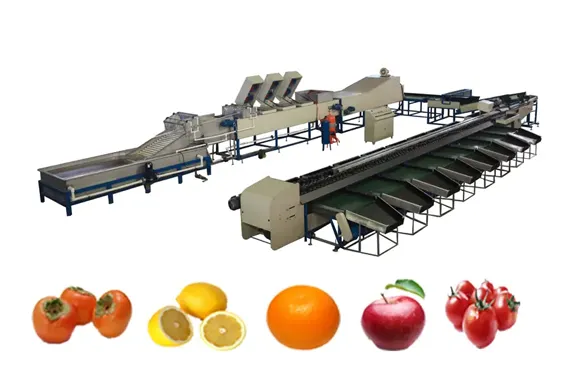
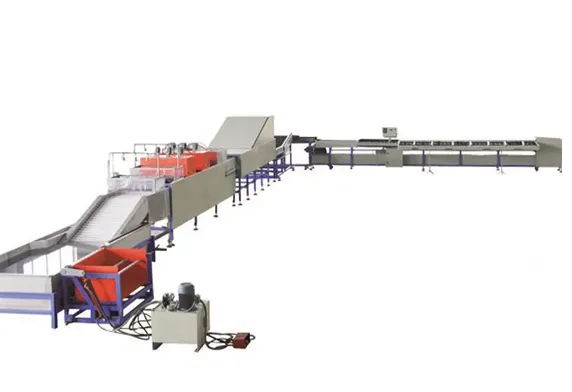
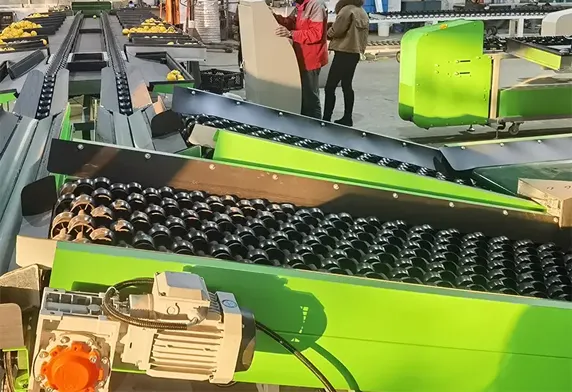
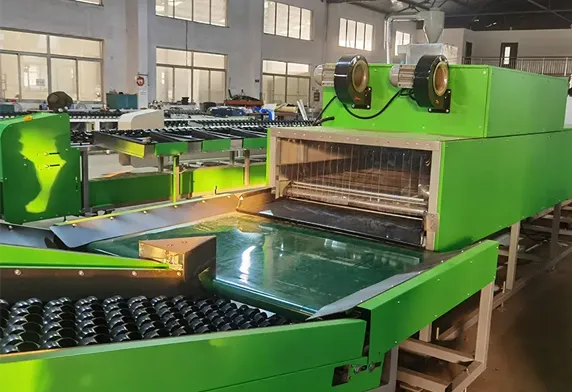
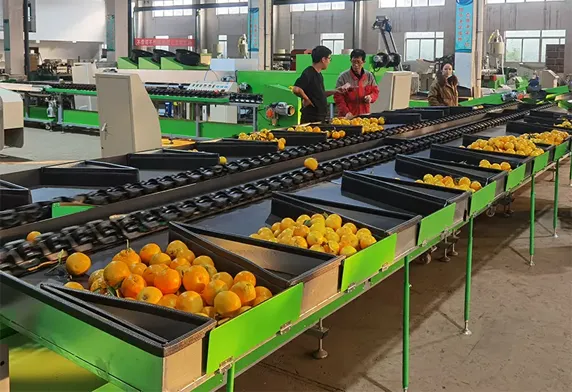
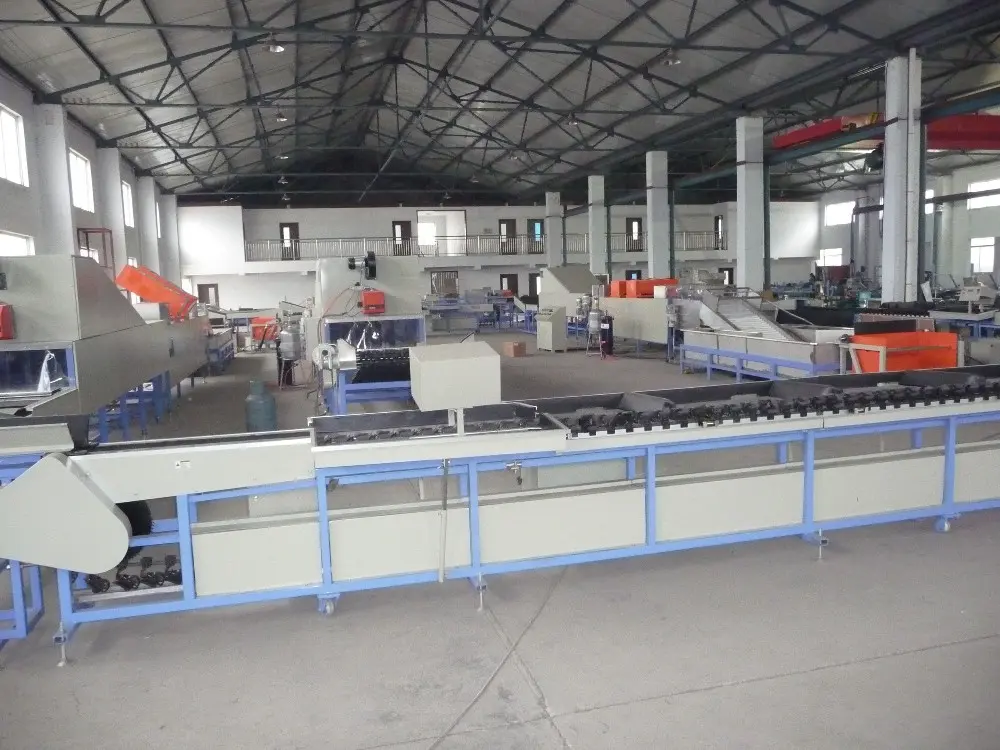
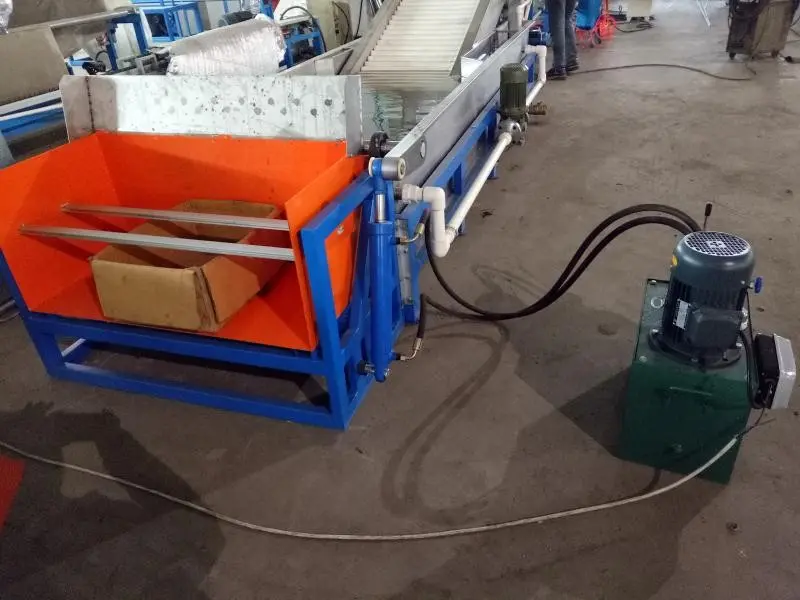
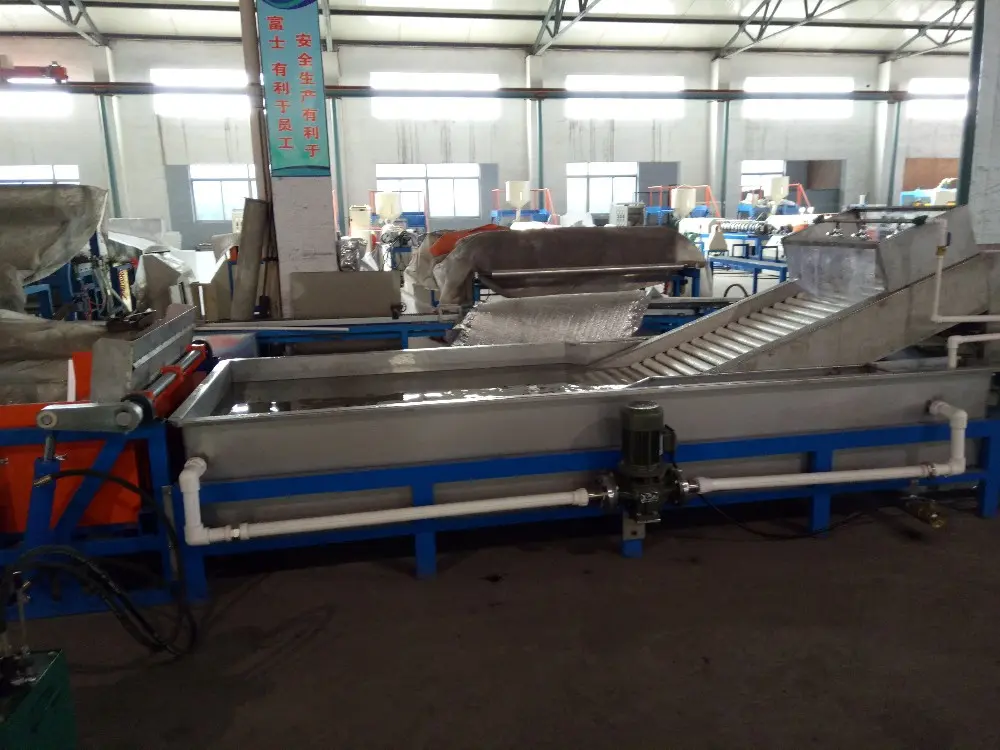
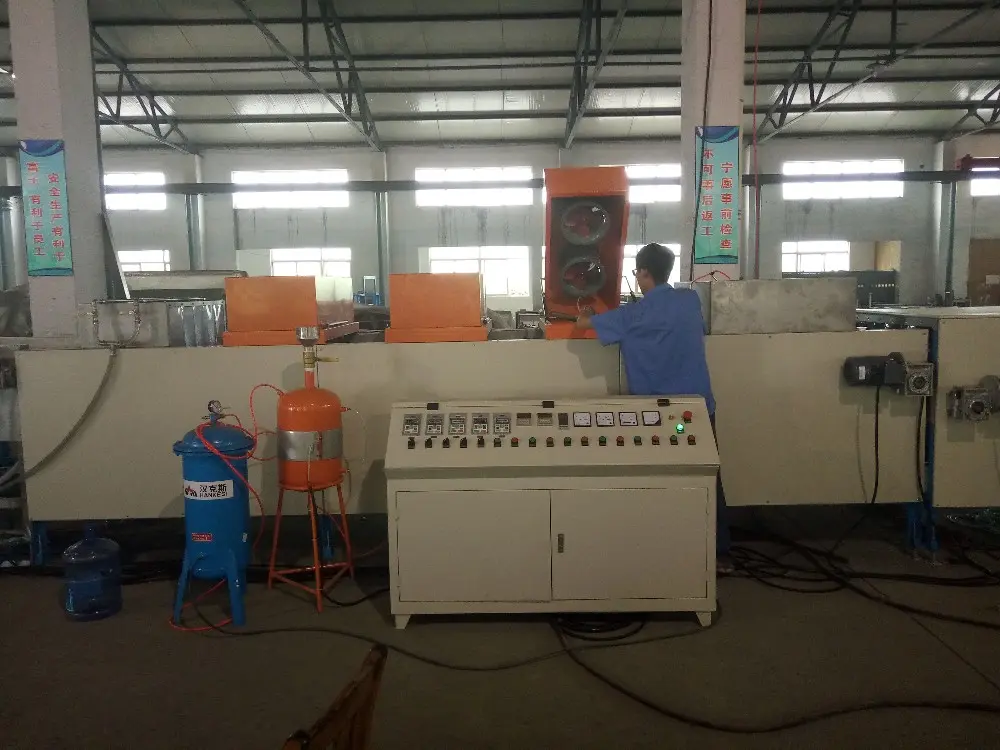
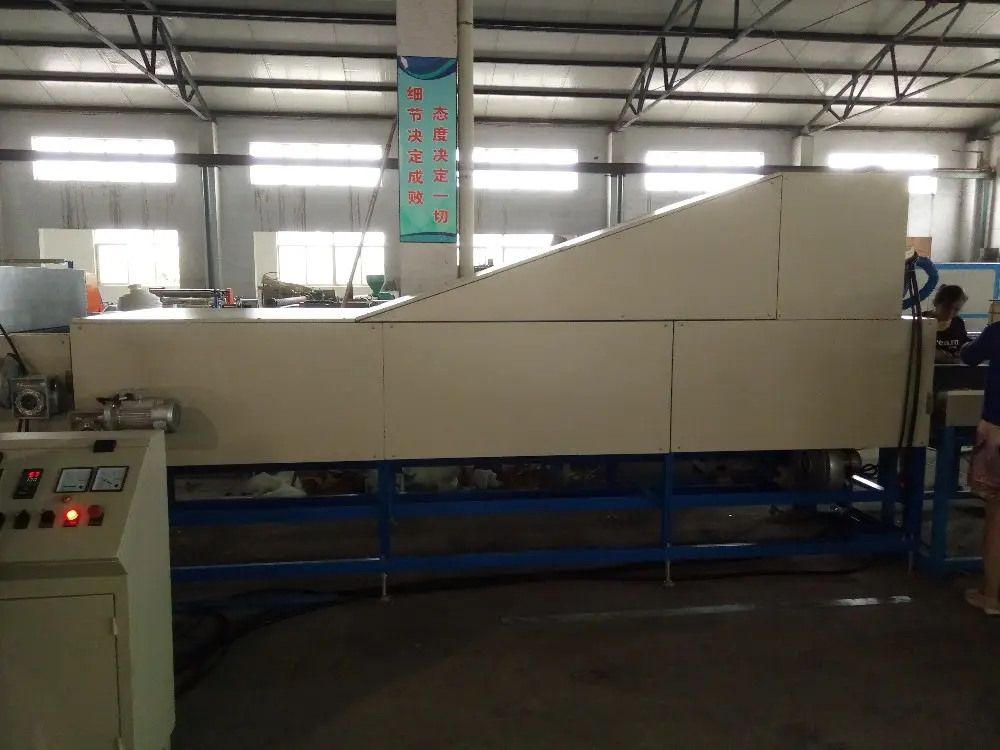
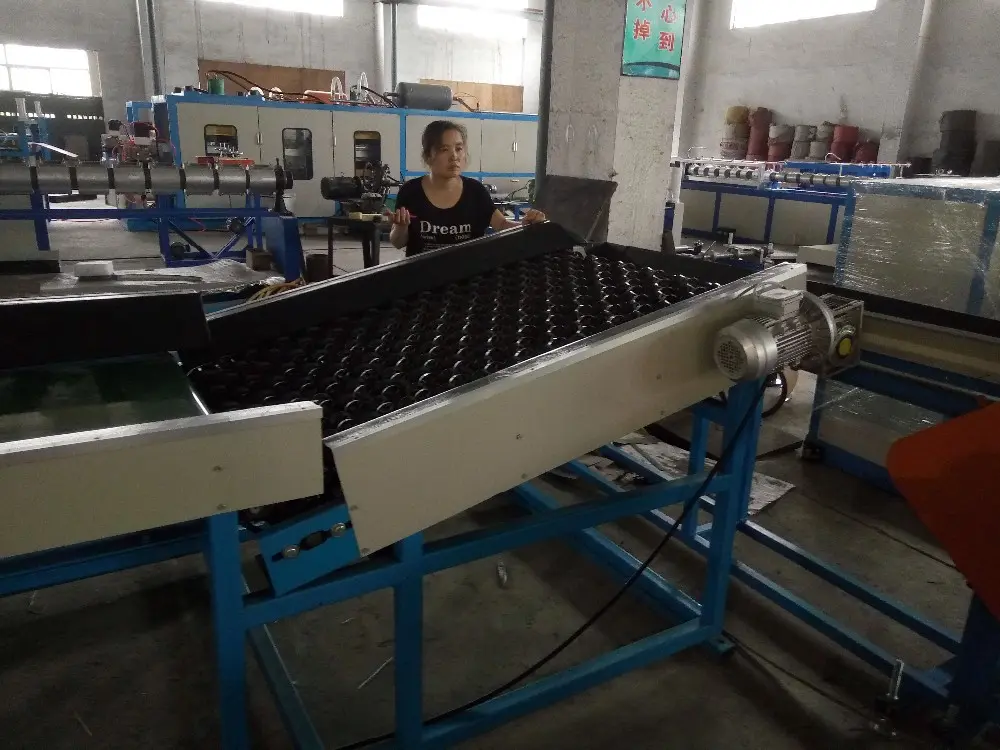
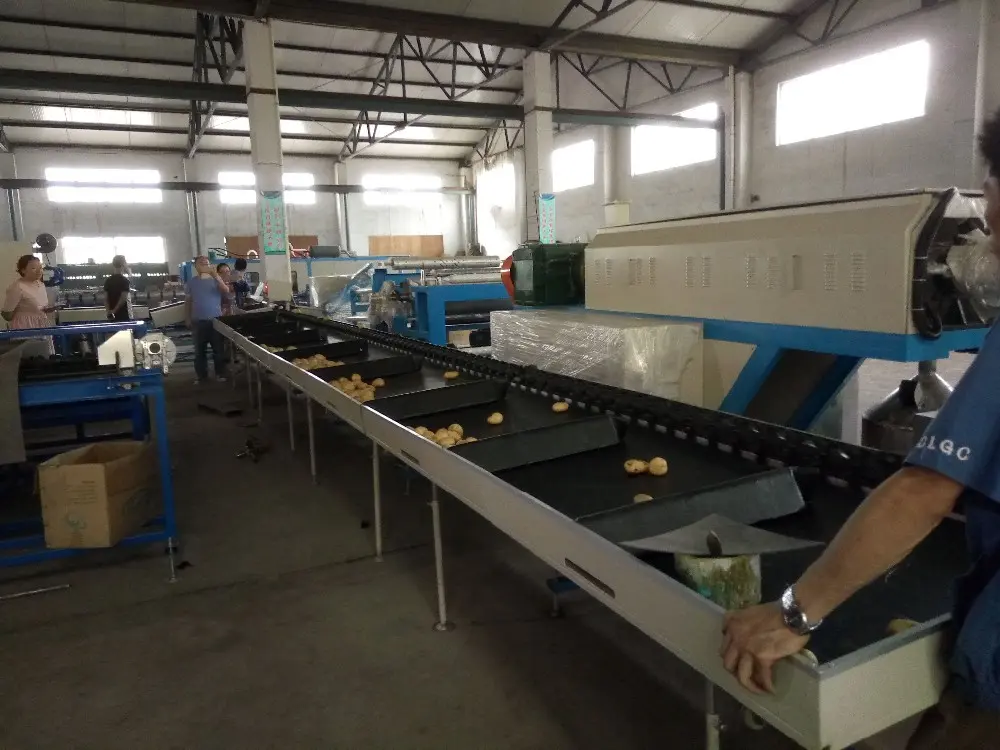

Fresh fruit may look simple when it reaches a supermarket shelf, but getting it ready for sale takes a lot of work. After harvesting, fruit can carry dust, soil, small leaves, and other surface debris. Some fruits may also have different sizes, colors, or visible defects. If workers handle every fruit manually, preparing large quantities for the market can take considerable time and labor. This is where a Fruit Washing Waxing And Sorting Machine can make a real difference.
At Longkou Fushi Packing Machinery Co., Ltd., we understand that fruit packing businesses need practical equipment that fits their daily production needs. Since our company was founded in 1994, we have focused on machinery manufacturing and the development of equipment for different industrial applications. Our product range includes fruit washing, waxing, and sorting machines, as well as PS foam food container production lines, EPE foam machinery, Knotless Net Machines, and other thermoforming equipment.
Our Fruit Washing Waxing And Sorting Machine is designed for post-harvest fruit handling. Depending on the selected configuration, a production line can combine washing, brushing, surface-water removal, waxing, drying, size grading, and sorting operations. Instead of moving fruit through several disconnected work areas, a properly planned line helps organize these steps into a more continuous process.
For fruit growers, packing houses, agricultural cooperatives, wholesalers, and food export businesses, the goal is straightforward: prepare fruit more consistently, make better use of labor, and get products ready for packing and distribution. The exact result depends on the fruit variety, incoming quality, machine configuration, operating settings, and maintenance routine. We believe these details should be discussed before an order is placed rather than left to guesswork.
1. What Is a Fruit Washing Waxing And Sorting Machine?
A Fruit Washing Waxing And Sorting Machine is a type of post-harvest processing equipment used to prepare suitable fruits for the fresh market or further handling. Its main purpose is to help remove surface dirt, improve the consistency of fruit presentation, apply a suitable edible coating when required, and separate fruit into different size or quality groups.
Although the product name includes washing, waxing, and sorting, not every installation needs all three functions. Some buyers only require a fruit washing and drying machine. Others need a complete fruit washing, waxing, and grading line with conveyors, collection areas, and packing stations. We recommend choosing the equipment according to the actual production process instead of adding functions that will rarely be used.
The machine configuration also depends on the type of fruit being handled. Apples and citrus fruits can often be processed with suitable brush-based equipment, but the brush material, rotation speed, contact pressure, and water application need to match the fruit. Mangoes, pears, and other fruits may require different handling arrangements because their skin, shape, firmness, and sensitivity to impact are not the same.
Main functions of the equipment
Fruit washing: Helps remove soil, dust, and other surface debris using an appropriate washing method.
Brush cleaning: Uses rotating brushes to improve contact between the fruit surface and the cleaning system where suitable.
Surface-water removal: Helps remove excess water before waxing or subsequent handling.
Fruit waxing: Applies a suitable coating to selected fruit varieties when the treatment is appropriate and permitted for the intended market.
Drying: Helps the coating dry or prepares the fruit for the next stage, depending on the line design.
Fruit sorting and grading: Separates fruit into groups according to the sorting method fitted to the machine.
Conveying and collection: Moves fruit between processing stages and directs the sorted fruit toward collection or packing areas.
One important point is that fruit washing, waxing, and grading are different operations. Washing focuses on surface cleanliness. Waxing is a post-washing treatment that may help replace some natural surface wax removed during cleaning. Grading organizes fruit according to defined criteria, such as size, color, or visible quality. Combining these functions can save handling time, but each stage still needs the right settings and operating procedures.
For example, a packing house processing apples for several retail customers may need size grading and a consistent finish. A citrus exporter may place more emphasis on washing, surface drying, waxing, and separating fruit into commercial size categories. A smaller farm supplying local shops may need a simpler fruit cleaning and sorting machine with fewer automated functions.
When we discuss a project with a buyer, we first look at the fruit variety, expected daily output, grading requirements, available factory space, and final packing method. These details help determine whether a standalone fruit washing machine, a fruit waxing machine, an Automatic Fruit Grading Machine, or an integrated fruit processing line is the more practical choice.
2. How Does the Fruit Washing, Waxing, and Sorting Process Work?
A fruit processing line normally starts with careful feeding and ends with sorted fruit ready for collection or packing. The exact sequence varies by fruit type and equipment design. In a typical configuration, fruit passes through feeding, washing, brushing, surface-water removal, optional waxing, drying, grading, and collection. Some systems combine several operations, while others use separate machines connected by conveyors.
Step 1: Feeding and preliminary inspection
Fruit is placed onto the feeding section in a controlled manner. Leaves, sticks, stones, damaged fruit, and other unsuitable material should be removed as appropriate before the main washing process. This preliminary inspection matters because a machine cannot make poor-quality incoming fruit suitable for every market simply by washing it.
Feeding should also avoid unnecessary drops and impacts. Bruises may not always be visible immediately, but rough handling can reduce the commercial quality of sensitive fruit. The height of transfer points, conveyor speed, and collection arrangement should therefore be considered during line planning.
Step 2: Washing and brushing
During washing, fruit comes into contact with clean water through a spray system, a suitable washing arrangement, or a combination of methods. Depending on the machine design, rotating brushes may help move the fruit and clean its surface. The purpose is to remove surface debris without causing unnecessary abrasion or damage.
There is no single washing setting that works equally well for every fruit. Brush pressure, water flow, contact time, and fruit movement should be selected according to the variety and its condition. Fruit with delicate skin may require gentler treatment than fruit with a firmer surface. Water quality and the cleaning schedule are equally important because poorly managed water can become a source of contamination rather than a solution.
We encourage operators to establish clear procedures for water replacement, equipment cleaning, and inspection. The FDA's guidance for fresh produce handling explains why water quality, clean food-contact surfaces, and appropriate sanitation practices matter during washing and packing operations. The machine itself is only one part of a sound hygiene system.
Step 3: Removing excess surface water
After washing, excess water may need to be removed before waxing or packing. Depending on the equipment, this stage can use air, rollers, brushes, or another suitable drying arrangement. The correct choice depends on the fruit and the next processing step.
This stage should not be treated as an unnecessary extra. If the fruit surface remains too wet, it may affect how a coating is applied and how evenly it dries. However, drying requirements vary, so operators should follow the coating supplier's instructions and the machine's operating guidance rather than assuming that every fruit needs the same drying time.
Step 4: Applying fruit wax when required
Fruit waxing is commonly used for selected produce, including certain apples and citrus fruits. A suitable coating may help replace some of the natural wax removed during washing, reduce moisture loss, and improve surface appearance. The effect depends on the fruit variety, coating formulation, application rate, and storage conditions.
Waxing is not required for every fruit, and it should never be treated as a universal solution for extending shelf life. Buyers need to confirm that the coating is suitable for the fruit, permitted in the target market, and applied according to the relevant product instructions. Where waxing is not needed, the line can be configured without this stage.
Step 5: Drying and surface inspection
After waxing, the fruit may pass through a drying section to help the coating set before further handling. The operating conditions should be suitable for both the fruit and the coating. Excessive heat, unsuitable airflow, or poor handling can create problems, so the actual settings should be confirmed during commissioning.
Operators can inspect the fruit for obvious surface defects, uneven coating, or other issues that need attention. This inspection does not replace formal food-safety controls or specialized quality testing, but it helps staff identify process problems before the fruit reaches the packing stage.
Step 6: Sorting, grading, and collection
Once the fruit is ready, the grading system separates it according to the selected criteria. A mechanical size grader may use rollers, openings, or another physical arrangement. More advanced systems may use sensors or cameras to evaluate characteristics such as size, shape, or color. These are different technologies, so buyers should confirm the actual sorting method before choosing a machine.
Sorted fruit is directed to collection bins, packing stations, or the next part of the production line. Clear separation makes it easier to prepare consistent batches for different customers. For export packing, grading requirements should be agreed in advance so that the machine configuration matches the intended commercial standards.
The following table summarizes the typical stages. It is a general process guide rather than a claim that every Fruit Washing Waxing And Sorting Machine includes every function.
| Process stage | Main purpose | What buyers should confirm |
|---|---|---|
| Feeding and inspection | Provide a steady flow and remove unsuitable material | Feeding method, fruit drop height, handling requirements |
| Washing and brushing | Remove surface debris | Water supply, brush type, cleaning method, fruit sensitivity |
| Surface-water removal | Prepare fruit for waxing or packing | Drying method, expected surface condition |
| Wax application | Apply a suitable coating where required | Fruit compatibility, coating specifications, target-market rules |
| Drying | Help the coating dry or prepare fruit for handling | Airflow, temperature if applicable, residence time |
| Sorting and grading | Separate fruit into commercial groups | Grading criteria, number of outlets, accuracy requirements |
| Collection and packing | Organize fruit for the next operation | Bin arrangement, packing format, downstream capacity |
Table source and basis: The stages above summarize general post-harvest handling practices described in the Food and Agriculture Organization's guidance on packinghouse operations and preparation of fruit for market. Actual machine functions vary by configuration. See FAO: Packinghouse Operations and FAO: Manual for the Preparation and Sale of Fruits and Vegetables.
3. Main Features and Practical Advantages
For a fruit packing business, the value of a Fruit Washing Waxing And Sorting Machine is not simply the number of functions listed on a product page. What matters is whether the machine suits the fruit, works with the existing production process, and helps staff handle daily orders more consistently. The following are the main benefits buyers should evaluate when selecting fruit processing equipment.
Integrated operations with a clear workflow
When washing, drying, waxing, and grading equipment is planned as a connected line, fruit can move from one stage to the next with less repeated loading and unloading. This may reduce unnecessary handling and make the work area easier to organize. It can also help supervisors understand where delays occur and which stage needs attention.
However, integration only works well when the capacity of each section is matched. If a washing machine can process more fruit than the grading section can handle, fruit may accumulate between stages. If the grading system is too large for the washing section, the equipment may not be used efficiently. We therefore recommend considering the capacity of the complete line rather than looking at one machine in isolation.
More consistent fruit presentation
Manual cleaning and sorting can vary from one worker to another. A properly selected machine helps standardize the process, especially when fruit is handled in large batches. Mechanical brushing can provide more consistent surface contact, while a suitable grading system can separate fruit according to defined criteria.
Consistency does not mean every piece of fruit will be identical. Natural differences in size, shape, maturity, and surface condition remain. A machine can help organize these differences, but the result depends on the incoming crop and the chosen grading method. Buyers should ask for realistic performance information based on their own fruit type and grading requirements.
Reduced repetitive manual handling
Moving fruit between washing tanks, tables, wax applicators, and grading stations can require a lot of repetitive work. A connected fruit washing and sorting line can reduce some of these movements and allow workers to focus on inspection, monitoring, and packing tasks.
The actual labor savings depend on the level of automation, the initial production process, the number of workers assigned to the line, and the daily volume. We avoid promising a fixed labor reduction without understanding these conditions. A site assessment and production plan provide a more useful basis for estimating the likely benefit.
Flexible configurations for different fruit businesses
Not every buyer needs a large automatic fruit grading line. A small packing house may prefer a compact washing and brushing machine with manual inspection. A high-volume operation may need several grading outlets, automatic conveyors, and a more advanced sorting system. A fruit exporter may have additional requirements related to packaging, traceability, and consistent commercial grades.
A modular approach can help buyers select the functions they need now while considering future expansion. Before choosing this approach, confirm that the equipment layout, control system, conveyor interfaces, and available floor space can support the intended upgrade. Expansion is easier to plan at the beginning than to improvise after installation.
Designed around cleaning and routine maintenance
Fruit processing equipment comes into contact with agricultural products, water, and surface debris. The machine should therefore be designed and operated with cleaning and inspection in mind. Accessible surfaces, practical drainage, removable or cleanable components where provided, and a clear maintenance routine can make daily work easier.
Food-contact materials and construction details should be checked against the intended application and the regulations of the destination market. Buyers should request relevant material information and confirm the scope of any applicable compliance documentation. A general machinery certificate should not automatically be interpreted as proof that every component is suitable for every food-contact application.
Support for organized grading and packing
Fruit grading helps packing teams prepare different commercial categories. For example, fruit may be separated by size to suit different cartons, retail programs, or wholesale customers. When grading criteria are defined before production, staff can use the outputs more consistently and reduce the need for repeated manual sorting.
Some businesses need only size grading, while others may require color or external-defect inspection. These functions should not be confused. A basic mechanical size grader does not necessarily inspect color or detect internal defects. If a buyer needs camera-based inspection or specialized quality detection, that requirement should be specified clearly during the quotation stage.
The table below compares common equipment approaches. It is a practical selection guide, not a measured performance test of a particular model.
| Equipment approach | Typical use | Main consideration |
|---|---|---|
| Manual washing and sorting | Small volumes and simple operations | Lower equipment complexity, but labor needs may be higher |
| Standalone fruit washing machine | Businesses that mainly need surface cleaning | Sorting and grading may need separate equipment or manual work |
| Washing and mechanical size-grading line | Operations that need cleaning and size separation | Confirm fruit compatibility, grading ranges, and outlet layout |
| Integrated washing, waxing, drying, and grading line | Packing houses requiring several connected post-harvest stages | More functions require coordinated capacity, cleaning, and maintenance |
| Sensor-based sorting line | Applications requiring specified optical or sensor inspection | Confirm the detectable characteristics, accuracy criteria, and fruit conditions |
Table source and basis: This comparison is a qualitative overview based on the different post-harvest operations described by FAO. It is not a ranking or a quantified comparison of specific machines. Reference: FAO, Packinghouse Operations.
4. Suitable Applications and How to Choose the Right Machine
A Fruit Washing Waxing And Sorting Machine can be used in many businesses that prepare fruit for sale. The best configuration depends on the fruit variety, the volume handled each day, the condition of incoming produce, and the requirements of the final customer. Below are several common application scenarios.
Fruit packing houses and post-harvest centers
Fruit packing houses often receive produce from multiple farms and need to prepare it for wholesale, retail, or export. Washing, grading, and packing may all take place in the same facility. An integrated fruit processing line can help organize the workflow from receiving through to final collection.
In this setting, it is important to plan the full route of the fruit. The receiving area should have enough space for incoming bins, while the grading outlets need suitable room for collection containers and packing staff. Water drainage, cleaning access, electrical connections, and movement of forklifts or pallet trucks should also be considered during layout planning.
Apple and pear processing
Apples and pears are common examples of fruit that may require washing, brushing, grading, and packing. Depending on the market, some varieties may also be treated with an appropriate coating. A fruit washing and waxing machine for apples should be selected with attention to fruit size, surface condition, handling sensitivity, and the desired finish.
For apple grading, buyers may need separate size categories to fit different retail packs. If the customer also requires color sorting, the buyer should confirm whether the proposed equipment provides that function. Size grading and optical color grading are not the same, and one should not be assumed to include the other.
Citrus fruit processing
Oranges, lemons, and other citrus fruits may pass through washing, brushing, drying, optional waxing, and size grading before packing. The surface and shape of each variety influence how the fruit should be handled. A citrus fruit washing and waxing line should therefore be configured for the intended fruit range rather than selected only by its advertised hourly capacity.
Where waxing is required, the coating type and application conditions need to match the product and target market. Operators should also follow the coating supplier's instructions and the relevant local requirements. A well-organized process includes routine cleaning of brushes, conveyors, tanks, and other surfaces that contact the fruit.
Mango and other tropical fruit operations
Mangoes and other tropical fruits can have different shapes, surface characteristics, and handling sensitivities. Some may be more susceptible to bruising or skin damage than firm citrus fruit. For this reason, the feeding method, transfer points, brush arrangement, and sorting approach should be reviewed carefully.
For mango processing, buyers should identify the actual variety and maturity range before selecting a machine. The equipment supplier should understand whether the main requirement is cleaning, size separation, visual sorting, or a combination of functions. A machine intended for round fruit may not automatically suit irregularly shaped produce.
Agricultural cooperatives and fruit farms
Cooperatives and farms may need a machine that handles seasonal harvest peaks without creating unnecessary complexity during quieter periods. A compact fruit washing and grading machine may suit businesses that supply local markets, while a larger line may be more suitable for operations handling fruit from multiple growers.
When estimating capacity, buyers should use realistic daily volumes and operating hours. A machine's nominal capacity may be measured under particular conditions and may not represent the output achieved with every fruit variety. Differences in fruit size, feeding consistency, grading requirements, and operator practices can all affect actual throughput.
Wholesale distributors and food export businesses
Wholesalers and exporters often need fruit to be separated into consistent categories before it is packed. The required grades may differ by destination, customer, fruit variety, and contract. Before purchasing a Fruit Sorting Machine for export packing, buyers should document the grade definitions, acceptable size ranges, inspection method, and packaging format.
Export businesses should also confirm the requirements of the destination market. These may include produce hygiene, approved coating materials, packaging, labeling, and traceability. The machinery helps carry out the physical handling process, but compliance also depends on operating procedures, water management, staff training, and record keeping.
Questions to ask before selecting equipment
Which fruits will be processed, and will the machine handle one variety or several?
What is the average fruit size, and how much does it vary during the season?
What daily throughput is needed, and how many hours will the line operate?
Is washing alone sufficient, or are waxing, drying, and grading also required?
Will sorting be based on size, weight, color, visible defects, or a combination?
How many grading outlets are required, and what will happen to each grade after sorting?
What water supply, drainage, power, floor space, and cleaning access are available?
Which food-contact material requirements and destination-market rules apply?
Will the line connect to existing conveyors, packing machines, bins, or cartons?
What installation, training, spare parts, and after-sales support are needed?
We recommend discussing these points before comparing quotations. Two Fruit Processing Machines may have similar names but different functions, layouts, and sorting methods. A clear specification makes it easier to compare equipment on a like-for-like basis.
5. Manufacturing, Quality Checks, Delivery, and Installation
Buying industrial fruit processing equipment is not just about choosing a machine from a product list. Buyers also need to understand how the equipment will be configured, checked, delivered, installed, and supported. At Longkou Fushi Packing Machinery Co., Ltd., we believe these practical details are an important part of the purchasing decision.
Project confirmation and machine configuration
Before production begins, the intended application should be reviewed. This includes the fruit varieties, processing sequence, required functions, expected output, factory layout, and relevant utilities. The final quotation and technical documents should identify the equipment included in the order, the agreed configuration, and any optional components.
For a customized fruit washing, waxing, and sorting line, buyers should pay particular attention to the interfaces between machines. Conveyor height, transfer points, discharge direction, control arrangements, and collection space can affect how smoothly the full line operates. These details should be confirmed before manufacturing whenever possible.
Manufacturing and assembly
Manufacturing work may include component preparation, mechanical assembly, installation of drive systems, fitting of conveyors or brushes, electrical work where applicable, and adjustment of moving parts. The actual manufacturing process depends on the machine model and the agreed configuration.
During assembly, practical considerations include the alignment of moving components, accessibility for cleaning, stability of the structure, and the suitability of the machine for the intended working environment. Buyers who have special requirements for materials, surface treatment, electrical standards, or plant connections should communicate them before the order is finalized.
Inspection and operational testing
Before shipment, the equipment should be checked against the agreed order specifications. Depending on the machine and project agreement, inspection may cover assembly, visible workmanship, moving components, electrical functions, controls, and basic operational performance. For a fruit processing line, the scope of any trial run should be agreed in advance.
A useful acceptance plan identifies what will be inspected, which functions will be demonstrated, what documents will be supplied, and how any outstanding issues will be handled. If the buyer requires a trial using a specific fruit variety, sample material, or defined output target, this should be discussed before production rather than assumed to be included.
It is also important to distinguish between checking that a machine operates and proving that it meets every production target in a customer's factory. Actual output can depend on fruit size, variety, feeding rate, grading settings, operator experience, and the wider production layout. Any guaranteed performance figures should therefore be stated clearly in the contract.
Typical production lead time
For our machinery projects, the typical production period is approximately 20–45 days, depending on the model, customization, order quantity, and component requirements. This is a general planning range rather than a fixed delivery promise for every order. A more accurate schedule can be provided after the final specifications are confirmed.
Buyers should also allow time for packaging, transport booking, export documentation where applicable, customs clearance, and installation at the destination. For seasonal fruit businesses, placing an order well ahead of the expected harvest period can provide more time for site preparation and operator training.
Packaging and international transportation
Packaging is selected according to the machine's size, weight, structure, and shipping conditions. Depending on the equipment, protection may include wrapping film, moisture-resistant materials, wooden cases, or reinforced frames. Components should be secured appropriately to reduce movement during handling and transportation.
Sea freight is commonly used for international machinery orders. Land or air transportation may also be considered when the route, delivery schedule, and shipment characteristics make them suitable. The final shipping method depends on the destination, cargo dimensions, cost, and buyer's requirements.
Before dispatch, buyers should confirm the shipping marks, packing list, component quantities, shipping documents, and delivery terms. If the machine will be installed at an existing factory, it is also useful to verify access routes, door dimensions, unloading equipment, and the space available for moving the equipment into position.
Installation guidance and after-sales support
Installation arrangements should be discussed before shipment. Depending on the project agreement, support may include installation guidance, operating instructions, technical communication, and assistance with troubleshooting. Whether on-site service is available, and what it costs, should be confirmed separately when required.
Operators should receive clear instructions for starting and stopping the machine, adjusting the relevant settings, cleaning the equipment, and carrying out routine inspections. Before the line begins normal production, the buyer should confirm that utilities, drainage, safety devices, and downstream packing equipment are ready.
We also recommend preparing a basic maintenance plan from the beginning. Keeping a record of cleaning, inspections, adjustments, and replacement parts makes it easier to identify recurring problems and plan servicing around seasonal production schedules.
Commercial terms to confirm
Payment terms are normally agreed in the purchase contract. For our machinery projects, T/T payment with a deposit and the remaining balance before shipment may be used, subject to the final agreement. Buyers should confirm the deposit ratio, balance payment timing, bank details, currency, and any additional charges in writing.
Delivery scope, warranty terms, spare parts, technical support, installation responsibilities, and acceptance requirements should also be documented. A clear agreement protects both sides and helps prevent misunderstandings once the equipment is ready to ship.
6. Why Work with Longkou Fushi Packing Machinery Co., Ltd.?
Longkou Fushi Packing Machinery Co., Ltd. was founded in 1994. Since the beginning, we have followed a customer-first and quality-first approach to machinery manufacturing. Over the years, our product range has developed to include PS foam food container production lines, EPE foam machines and deep-processing equipment, fruit washing, waxing, and sorting machines, knotless net machines, and other Thermoforming Machinery.
Our experience across different equipment categories has helped us build a broad manufacturing background. For fruit processing projects, we focus on understanding the customer's practical requirements and identifying an equipment configuration that matches the intended application. We know that a buyer needs more than a machine name: they need clear technical communication, a realistic delivery plan, and a workable arrangement for installation and support.
Manufacturing experience since 1994
Machinery projects often involve more questions than buyers expect at first. What type of fruit will be processed? How should it move between stages? Does the line need waxing? What grading method is required? How will the equipment fit into the available workshop? These questions are easier to address before production starts.
Our approach is to clarify the intended use and the required functions as early as possible. The objective is to help buyers avoid paying for features they do not need while making sure important requirements are not overlooked. The final configuration should always be based on the agreed technical specification.
A range of industrial machinery
Our manufacturing range covers fruit processing equipment alongside packaging-related and foam-processing machinery. This background gives customers a single manufacturer to contact for our listed equipment categories. For any particular project, however, the actual machine scope and available customization should be confirmed with our team.
Quality and documentation
Our company information records ISO 9001:2000 quality system certification, CE certification, BV and SGS certification, and a number of patents. Buyers should request the relevant documents and confirm their current validity, scope, and applicability to the specific machine being purchased. Certifications and inspection reports should be checked individually rather than assumed to cover every product or configuration.
For industrial equipment, useful quality information includes the technical specification, operating instructions, electrical information where applicable, agreed inspection records, and the list of supplied components. The exact documents available depend on the model and contract. We encourage buyers to confirm the required documentation before the order is placed, especially when the machine will be installed in an export-oriented or regulated production facility.
Practical communication before and after the sale
Good communication matters because a fruit processing line is closely connected to the buyer's raw material, factory layout, workers, and packing process. We aim to provide clear communication during the purchasing process and to discuss the available pre-sales, sales, and after-sales support according to the project requirements.
To help us understand your project, please share the fruit varieties you handle, estimated daily processing volume, required functions, preferred grading method, destination country, and factory layout if available. Photos or videos of the existing process can also help explain the working conditions. With this information, the proposed Fruit Washing Waxing And Sorting Machine can be discussed in more practical detail.
We believe the right equipment should be selected according to the work it needs to perform. A suitable line should fit the fruit, the available space, the required grading standards, and the buyer's budget. Rather than treating every project as identical, we encourage customers to confirm the important details and agree on a clear scope before manufacturing begins.
7. Frequently Asked Questions About Fruit Washing Waxing And Sorting Machines
Q1. What types of fruit can this machine process?
The suitable fruit types depend on the machine configuration. Apples, pears, oranges, lemons, mangoes, and other fruits may be suitable for different washing or grading arrangements. However, fruit shape, size, skin condition, firmness, and handling sensitivity affect the choice of brushes, conveyors, and grading system. Please provide the fruit varieties you intend to process so the appropriate configuration can be discussed.
Q2. Does every fruit washing machine include waxing and sorting functions?
No. Some machines are designed mainly for washing, while others combine washing, surface-water removal, waxing, drying, and grading. The product name alone does not confirm that every function is included. Buyers should check the quotation and technical specification to verify the exact scope of supply.
Q3. Why is fruit waxing used after washing?
For certain fruits, a suitable edible coating can replace some of the natural surface wax removed during washing. Depending on the fruit and coating, it may help reduce moisture loss and improve appearance. Waxing is not necessary for every fruit, and it does not guarantee a specific shelf life. The coating must be appropriate for the fruit and permitted in the intended market.
Q4. Can the machine grade fruit by size and color?
That depends on the grading technology fitted to the machine. A mechanical grader may separate fruit by size, while color sorting usually requires a suitable inspection system, such as optical sensors or cameras. Buyers who need size, color, shape, or defect sorting should identify each requirement separately and confirm which functions the proposed machine supports.
Q5. How much fruit can the machine process per hour?
Hourly capacity varies by model, fruit variety, fruit size, feeding method, grading settings, and the number of processing stages. A quoted nominal capacity should not automatically be treated as the output under every working condition. When requesting a quotation, please provide the required output, expected operating hours, and the type of fruit. Any specific performance target should be confirmed in the technical agreement.
Q6. How long is the production lead time?
The typical production period is around 20–45 days, depending on machine specifications, customization, and order quantity. The actual schedule should be confirmed after the configuration is finalized. Shipping, customs clearance, site preparation, and installation may require additional time, so seasonal buyers should plan ahead.
Q7. What payment terms are available?
T/T payment with a deposit and the remaining balance before shipment may be available, subject to the purchase agreement. The exact deposit percentage, balance timing, currency, and bank charges should be confirmed in writing before the order is placed.
Q8. How is the machine packaged for shipment?
Packaging depends on the machine's dimensions, weight, and shipping conditions. Protective film, moisture-resistant materials, wooden cases, or reinforced frames may be used as appropriate. Buyers should confirm the packing arrangement, shipping marks, and list of packed components before dispatch.
Q9. Can the equipment be customized for an existing factory?
Customization may be possible depending on the project and machine design. Important details include factory space, fruit flow, conveyor height, required grading outlets, power supply, drainage, and the downstream packing arrangement. A layout drawing and clear technical requirements help determine whether the proposed equipment can fit the existing production process.
Q10. What should be cleaned and maintained regularly?
Cleaning and maintenance requirements depend on the machine configuration. In general, operators should pay attention to brushes, conveyors, water-contact areas, collection sections, and other parts that may accumulate dirt or fruit residues. The machine should be cleaned according to the operating instructions, and moving parts, fasteners, drives, and safety devices should be inspected at suitable intervals. Water management and sanitation procedures should also be established for the facility.
Q11. Does the machine guarantee longer fruit shelf life?
No machine can guarantee longer shelf life under all conditions. Washing, suitable waxing, and careful grading can support post-harvest handling, but shelf life also depends on fruit variety, maturity at harvest, initial quality, temperature, humidity, storage conditions, sanitation, packaging, and transport. Buyers should evaluate the complete post-harvest process rather than relying on the machine alone.
Q12. What information should I provide to receive a quotation?
To help us recommend a suitable Fruit Washing Waxing And Sorting Machine, please provide the following information:
Fruit varieties and approximate size range.
Expected processing capacity per hour or per day.
Required operations, such as washing, brushing, waxing, drying, or grading.
Grading criteria and the number of required output categories.
Available factory space and existing equipment connections.
Destination country and preferred shipping arrangement.
Any special requirements for materials, documentation, installation, or after-sales support.
The more clearly these requirements are defined, the easier it is to prepare a useful quotation and avoid misunderstandings about machine functions, delivery scope, and acceptance criteria.
Conclusion: Choose a Fruit Processing Line That Fits Your Operation
A Fruit Washing Waxing And Sorting Machine can help fruit businesses organize cleaning, optional waxing, drying, and grading in a more consistent workflow. The right configuration depends on the fruit variety, incoming quality, target output, grading requirements, and available factory space. A compact washing machine may be sufficient for a small operation, while a larger packing house may benefit from an integrated fruit washing, waxing, and grading line.
At Longkou Fushi Packing Machinery Co., Ltd., we have been engaged in machinery manufacturing since 1994. We aim to understand each customer's practical requirements and discuss a suitable equipment configuration, production schedule, inspection arrangements, packaging, shipping, and technical support before an order is finalized.
If you are looking for a Fruit Washing Waxing And Sorting Machine for apples, citrus fruits, pears, mangoes, or other suitable produce, contact us with your fruit type, required processing capacity, grading method, and factory layout. We can then discuss the available machine options and the technical details that matter to your project.
References and Further Reading
Food and Agriculture Organization of the United Nations (FAO), Packinghouse Operations. General information about fruit washing, waxing, sizing, sorting, and packing.
Food and Agriculture Organization of the United Nations (FAO), Manual for the Preparation and Sale of Fruits and Vegetables. Guidance on sorting, grading, waxing, and packaging for fresh markets.
U.S. Food and Drug Administration (FDA), Guidance for Industry: Guide to Minimize Microbial Food Safety Hazards for Fresh Fruits and Vegetables. Guidance on water quality, food-contact surfaces, equipment cleanliness, and produce handling.
Note: The references above provide general guidance on post-harvest fruit handling and hygiene. They do not certify a particular machine or establish its technical performance. Confirm the final specifications, available functions, capacity, applicable compliance documents, delivery terms, and support arrangements with the supplier before ordering.



 Phone