
 Español
 Portugues
 Pусский
 Français
 العربية
 Türk dili
 Indonesia
 Tiếng Việt
 فارسی


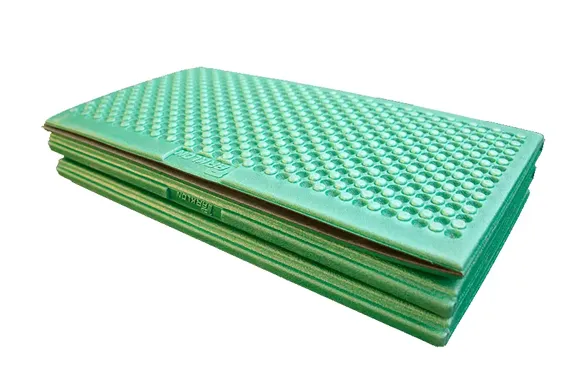
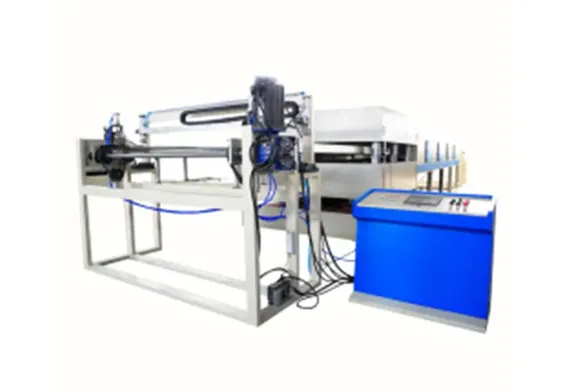
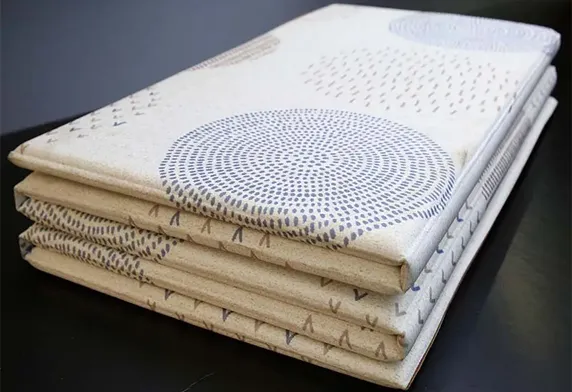
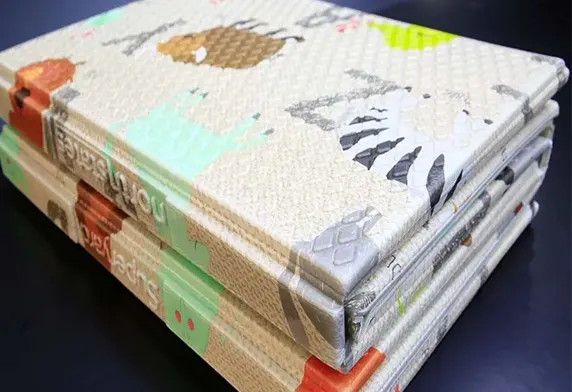
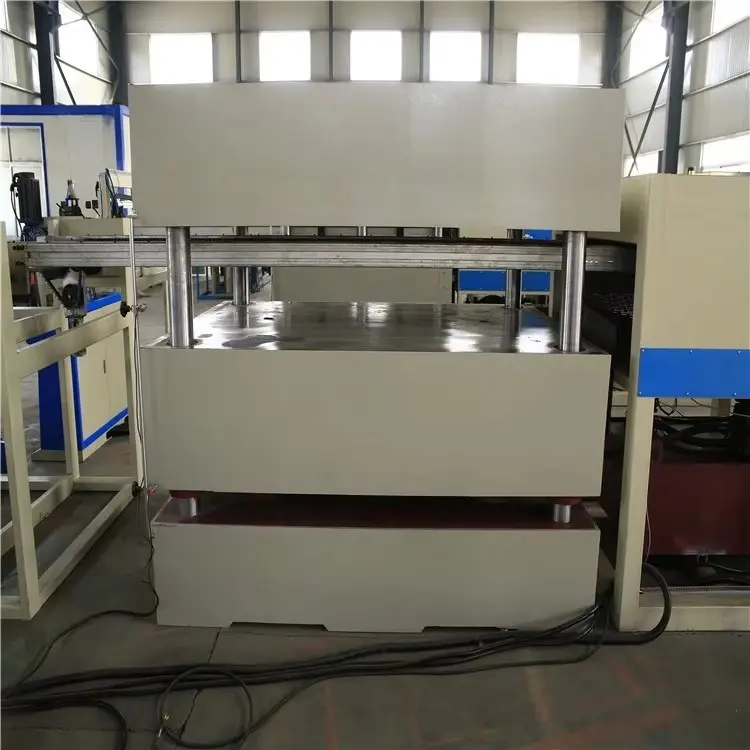
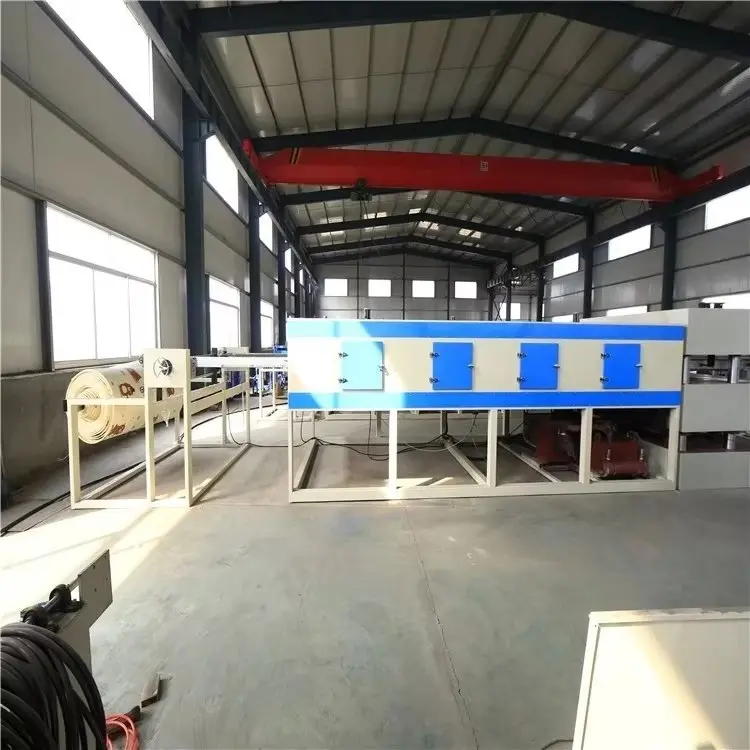
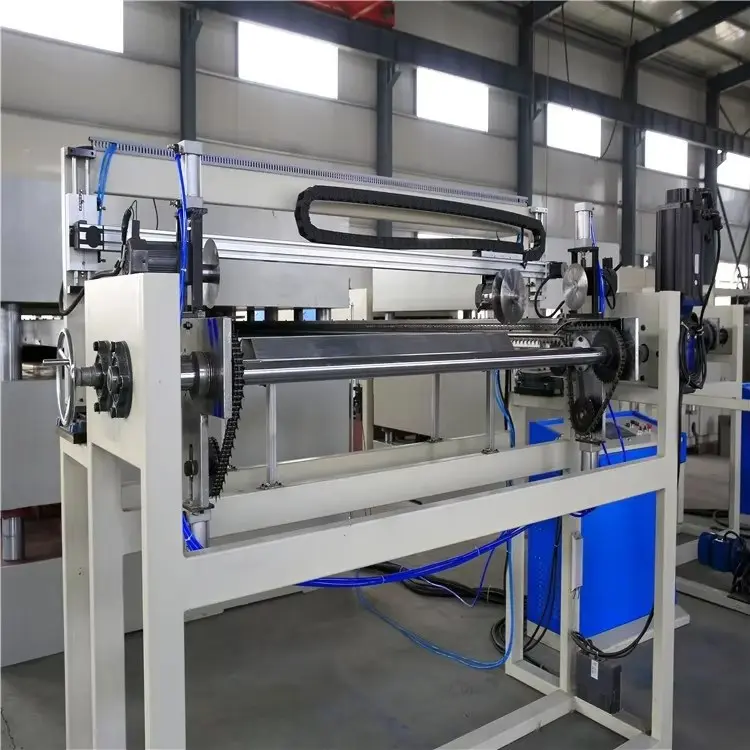

When producing baby play mats and crawling mats, manufacturers need more than a machine that simply heats and shapes material. They need equipment that can help them maintain consistent thickness, create clear surface patterns, control production costs, and meet the requirements of different customers. At Longkou Fushi Packing Machinery Co., Ltd., we understand these practical needs because we have been manufacturing packaging and forming machinery since 1994.
Our Baby Play Mat and Crawling Mat Thermoforming Machine is intended for manufacturers looking to develop or improve their foam mat production process. By combining controlled heating, forming technology, and customized molds, a suitable machine configuration can help turn compatible sheet or foam materials into products designed for babies, toddlers, and family use. The final machine setup depends on the material, product structure, mat dimensions, surface design, and required output.
We know that a baby play mat is not just another household product. Parents want a comfortable surface for their children to crawl, sit, and play on. Retailers look for attractive patterns and reliable product quality, while manufacturers need repeatable production and manageable operating costs. These expectations make the selection of a suitable thermoforming machine an important business decision.
At Longkou Fushi Packing Machinery Co., Ltd., we focus on equipment development, manufacturing, quality control, and customer service. Our machinery experience covers PS foam food container production lines, EPE foam machinery and deep-processing equipment, fruit washing and sorting machines, Knotless Net Machines, and other thermoforming equipment. We use this manufacturing background to support customers who need practical machinery solutions for their own production requirements.
1. What Is a Baby Play Mat and Crawling Mat Thermoforming Machine?
A Baby Play Mat and Crawling Mat Thermoforming Machine is a type of forming equipment used to heat and shape suitable thermoplastic sheets or compatible foam materials into finished or semi-finished mat products. Depending on the production design, the machine may work with prepared sheets, foam-based materials, or other material structures that are compatible with the selected forming process.
The purpose is straightforward: make the forming process more consistent and repeatable than a production method that relies heavily on manual handling. Heating, forming pressure or vacuum, mold design, cooling, and material movement all influence the finished product. A properly configured machine allows manufacturers to control these stages according to the material being processed.
However, not every baby crawling mat is made in the same way. Some mats are produced from expanded polyethylene (EPE) foam, while others use different foam structures, laminated sheets, or interlocking panels. Some products require a flat surface with printed graphics, while others feature raised textures, embossed patterns, or shaped edges. Certain foam products may require cutting, laminating, printing, or bonding rather than conventional thermoforming alone.
For this reason, we recommend starting with the actual product instead of choosing equipment based only on a machine name. We need to understand the material composition, thickness range, maximum mat size, surface finish, mold design, and production target before confirming the most appropriate configuration.
Products and Applications
Depending on material compatibility and mold design, a suitable foam mat production system may support products such as:
Baby play mats for indoor play areas.
Crawling mats for infants and toddlers.
Foam floor mats for nurseries and childcare facilities.
Textured foam mats with decorative surface patterns.
Selected children's activity mats and padded floor products.
Other compatible foam or thermoplastic products that use a similar forming process.
These applications should be treated as potential uses rather than a guarantee that one machine can produce every mat type. For example, a thick, soft EPE mat may require a different manufacturing route from a thin PET sheet product. We therefore evaluate the material and process together before recommending equipment.
Why Manufacturers Consider Thermoforming
One reason manufacturers consider thermoforming equipment is that heating and shaping can be organized into a repeatable production sequence. With an appropriate mold and stable process settings, operators can work toward consistent dimensions and surface details across successive products.
Another benefit is product flexibility. When the machine design supports mold changes and the material can be formed appropriately, manufacturers may be able to produce different sizes or surface patterns without replacing the entire production system. The actual changeover time and range of supported products depend on the machine structure, tooling, and production process.
For buyers, the key question is not simply whether a machine can form a mat. It is whether the proposed machine can process the intended material, meet the required product dimensions, achieve the desired appearance, and fit the factory's production plan.
2. How Does the Foam Mat Thermoforming Process Work?
The basic thermoforming process involves heating a thermoplastic sheet until it becomes sufficiently flexible, forming it against or into a mold, and allowing it to cool so that it retains the required shape. Depending on the material and machine design, vacuum, compressed air, mechanical force, or a combination of methods may be used during forming.
For baby play mat production, the first step is to confirm whether the selected material is suitable for thermoforming. This point matters because foam materials do not all react to heat in the same way. Excessive heat can damage a foam structure, while insufficient heat may prevent the material from taking the required shape. Some thick foam mats are better suited to cutting, laminating, embossing, or other specialized processes.
Step 1: Material Preparation
We begin by identifying the material grade, thickness, width, surface condition, and supply format. The material may arrive as a roll, sheet, or prepared foam panel, depending on the production route. Its temperature response and mechanical properties influence the heating method, forming time, and mold design.
For example, a thin thermoplastic sheet and a thick foam panel should not be treated as interchangeable. They may need different heating systems, handling arrangements, and forming methods. Before production starts, buyers should confirm that the proposed equipment is designed for their exact material rather than assuming that all plastics and foams can be processed on the same machine.
Step 2: Controlled Heating
Heating is one of the most important stages in thermoforming. The material must reach a suitable forming condition without overheating, becoming uneven, or losing important surface properties. A controlled heating system helps operators adjust the process to match the material and product design.
Temperature control is not just about setting a number on a screen. The heating arrangement, material thickness, heating distance, cycle time, and temperature distribution all affect the result. If one area becomes softer than another, the formed product may show uneven detail or inconsistent dimensions.
We recommend testing representative material samples during equipment selection. A successful trial can help determine whether the heating method is suitable and whether the proposed machine can produce the required shape without unacceptable material damage.
Step 3: Mold Forming
Once the material reaches the appropriate condition, the machine moves it into the forming area. A mold defines the product's shape and may create selected surface features, depending on the material and tooling design. Vacuum forming, pressure forming, or another suitable forming method may be used according to the application.
For a crawling mat, mold design can influence edge definition, surface texture, decorative patterns, and dimensional consistency. However, a mold cannot correct every material problem. If the material is unsuitable or the heating process is unstable, even a well-made mold may not deliver the required result.
We therefore consider the mold and machine as parts of one production solution. Buyers should discuss the intended pattern, mat dimensions, material behavior, release requirements, and expected mold life before approving the tooling design.
Step 4: Cooling and Shape Retention
After forming, the material needs sufficient cooling to retain its shape. Cooling requirements depend on material type, thickness, product geometry, and production speed. If the material is handled before it has stabilized, the product may warp or lose some of its formed detail.
Cooling time also influences output. A machine with fast heating is not automatically a high-output system if forming, cooling, material handling, or downstream cutting becomes the bottleneck. When estimating production capacity, we look at the complete cycle rather than focusing on a single stage.
Step 5: Trimming, Inspection, and Finishing
Some products require trimming, edge finishing, cutting, printing, laminating, or additional assembly after forming. These operations may be performed by separate equipment or integrated into a broader production line, depending on the product and factory layout.
Finished mats should be checked for dimensions, surface defects, edge quality, consistency, and other requirements defined by the buyer. For baby-related products, manufacturers also need to evaluate applicable chemical, physical, flammability, and age-related safety requirements in their target markets. Machine forming alone does not establish that a finished mat is safe or compliant.
By understanding every stage, manufacturers can make a more informed decision about whether they need a standalone thermoforming machine, a customized forming unit, or a coordinated production line with additional finishing equipment.
3. Key Features and Technical Advantages
When we discuss a Baby Play Mat and Crawling Mat Thermoforming Machine with a customer, we focus on the features that influence daily production. A machine should be suitable for the intended material, straightforward for operators to use, and capable of supporting the required product quality. Exact technical specifications should be confirmed against the final machine configuration.
Controlled Heating and Adjustable Parameters
A suitable heating system allows operators to adjust process settings for different materials and product designs. Temperature, heating time, and the distribution of heat all affect the final result. Good control can help reduce avoidable defects caused by inconsistent heating, although the achievable quality still depends on the material and process.
For manufacturers producing more than one mat style, adjustable parameters can be useful when changing product dimensions or material thickness. The available adjustment range must be checked for the specific model rather than assumed to be unlimited.
Customizable Molds for Different Designs
Baby play mats are often sold in different sizes, colors, patterns, and product formats. Depending on the machine and forming process, customized molds may support different surface details or product shapes. A mold change may allow a manufacturer to introduce a new design without purchasing an entirely new machine.
Before approving a mold, we suggest reviewing a product drawing or physical sample. This allows both sides to discuss dimensions, pattern depth, edge details, material thickness, and any areas that could be difficult to form or release from the mold.
Repeatable Forming for Consistent Production
In a production environment, consistency matters just as much as the appearance of a single sample. If every batch needs frequent manual correction, the factory may lose time and material. A well-configured machine helps operators follow repeatable settings and production steps.
Repeatability depends on several connected factors: material quality, mold condition, heating stability, machine adjustment, cooling, and operator practice. We encourage customers to assess the machine using their own material whenever possible, because this provides more useful evidence than a demonstration with a different product.
Flexible Production Planning
Product flexibility is valuable for manufacturers supplying wholesalers, retailers, online sellers, and private-label customers. A suitable setup may support several compatible product designs through changes to molds or process parameters. The practical range depends on the equipment's forming area, heating arrangement, material-handling system, and mold-change procedure.
When planning a new production line, we recommend separating current requirements from future possibilities. The machine should first meet the products that the business intends to manufacture now. Potential future products can then be evaluated to determine whether they can use the same equipment or would require a different process.
Operator-Friendly Controls and Maintenance
Clear controls and accessible maintenance points can make a difference during daily operation. Operators need to understand how to set parameters, recognize abnormal conditions, follow safe operating procedures, and complete routine cleaning and inspection.
Buyers should ask which functions are automatic, which tasks require manual intervention, what routine maintenance is needed, and which spare parts should be kept in stock. These questions help establish the real operating requirements instead of relying only on the machine's advertised functions.
Integration With Supporting Equipment
A thermoforming machine is only one part of the manufacturing process. Depending on the product, a factory may also need material feeding, cutting, trimming, stacking, printing, laminating, or packaging equipment. A mismatch between these stages can limit the output of the whole line.
We encourage buyers to consider the complete production flow when discussing equipment. For example, if forming is fast but trimming is slow, increasing the forming speed may not improve finished-product output. A balanced process is usually more useful than a machine specification that looks impressive on paper.
Table 1: Main Machine Features and Their Practical Value
| Feature | Practical Purpose | What Buyers Should Confirm |
|---|---|---|
| Controlled heating | Helps prepare material for forming | Temperature range, heating zones, and material compatibility |
| Adjustable forming settings | Supports process adjustment for different products | Available settings and repeatability under production conditions |
| Custom molds | Creates selected shapes and surface details | Maximum mold dimensions, material, cost, and changeover method |
| Cooling arrangement | Helps formed products retain their shape | Cooling method, cycle time, and compatibility with the material |
| Control system | Helps operators manage the production sequence | Control functions, safety features, and operator training |
| Supporting equipment | Connects forming with finishing and handling | Line layout, transfer method, and downstream capacity |
Source and data note: Table 1 is a practical purchasing checklist prepared from general thermoforming principles and the machine-selection factors described in this article. It is not a published test result or a guarantee of a particular machine's performance. The final feature list must be verified against the supplier's technical proposal.
4. Materials, Product Quality, and Production Applications
Choosing the correct material is one of the first decisions in baby play mat manufacturing. Different materials offer different levels of softness, flexibility, resilience, surface finish, weight, and resistance to repeated use. They also respond differently to heat and mechanical forming. The best material depends on the finished product's intended use, target price, design, and safety requirements.
EPE Foam and Other Foam Structures
Expanded polyethylene, commonly known as EPE, is used in various cushioning and protective products. It is lightweight and can provide cushioning, which makes it relevant to some mat and padding applications. However, whether a particular EPE material can be processed by a proposed thermoforming machine depends on its structure, density, thickness, and the intended forming operation.
Some EPE play mats are manufactured through processes such as foam extrusion, lamination, embossing, cutting, or bonding rather than conventional sheet thermoforming. A buyer should therefore describe the complete material structure instead of simply stating that the product is made from foam.
PET, PP, PS, and PVC Thermoplastic Sheets
Our general thermoforming machinery information includes materials such as PET, PP, PS, and PVC, depending on machine configuration. These materials are used in different packaging and formed-product applications, but they are not interchangeable, and their suitability for a baby crawling mat must be evaluated separately.
For example, a thin PET sheet used in packaging has different properties and production requirements from a thick, resilient foam mat. The fact that a machine can process one thermoplastic material does not automatically mean it can produce a finished baby play mat from every type of foam. Material trials are an important step before finalizing the purchase.
Surface Patterns and Appearance
Product appearance can influence a mat's market appeal. Depending on the production process, manufacturers may create or add geometric patterns, raised textures, printed designs, colored surfaces, or other decorative details. Some designs are formed directly into the material, while others require separate printing, lamination, embossing, or finishing equipment.
When evaluating a design, we recommend checking more than its appearance in a drawing. A trial should confirm whether the pattern can be reproduced consistently, whether the material releases cleanly from the mold, and whether the finished surface remains suitable for its intended use.
Quality Checks That Matter
For a baby play mat or crawling mat, useful quality checks may include length and width, thickness, surface uniformity, edge finish, dimensional stability, odor, and visible defects. The relevant inspection items depend on the material and product specification.
Manufacturers should also establish appropriate testing for the finished product. Depending on the destination market and product classification, requirements may address restricted chemicals, small parts, physical hazards, flammability, labeling, or other safety issues. These obligations cannot be replaced by a machine inspection or a general statement that a product is intended for children.
We advise buyers to identify the standards and testing requirements that apply to their product and sales market before mass production begins. This can help avoid costly changes after molds, materials, and packaging have already been finalized.
Table 2: Comparison of Common Materials and Processing Considerations
| Material | Common Characteristics | Processing Considerations | Relevance to Mat Production |
|---|---|---|---|
| EPE foam | Lightweight cushioning structure | Confirm foam density, thickness, heat response, and whether forming, lamination, or cutting is required | Potentially suitable for selected cushioning and play-mat products |
| PET | Thermoplastic used in many sheet-forming applications | Heating and forming settings depend on sheet grade and thickness | More commonly associated with formed packaging; suitability for a specific mat must be verified |
| PP | Thermoplastic with application-dependent flexibility and heat behavior | Requires suitable temperature control and forming conditions | May be considered for compatible formed components, subject to product requirements |
| PS | Thermoplastic used in selected formed products and packaging | Material grade, thickness, and forming temperature must be checked | Compatibility depends on the intended product and required properties |
| PVC | Available in different formulations with different properties | Confirm formulation, thermal processing limits, ventilation, and applicable safety requirements | Use only where the material and finished product meet the relevant requirements |
Source and data note: Table 2 summarizes general material characteristics and common processing considerations. It is based on broad polymer-processing knowledge, not on a comparative test conducted by Longkou Fushi. No numerical performance values are presented because those values vary by grade, thickness, formulation, and supplier. Buyers should obtain material data sheets and conduct trials with the actual production material.
Where Can This Type of Equipment Be Used?
Depending on the confirmed machine configuration, forming equipment may be considered for several product categories:
Baby and children's products: selected play mats, crawling mats, and compatible formed components.
Household products: certain protective pads, floor-related products, and formed plastic components.
Protective packaging: compatible trays, inserts, and cushioning components.
Agricultural and general-purpose products: selected formed components where the material and product design fit the process.
These categories do not mean one machine can manufacture all listed products without changes. Each application must be reviewed for material, tooling, heating requirements, dimensions, and downstream operations.
5. How to Choose the Right Baby Play Mat Thermoforming Machine
Buying machinery is a long-term investment. The initial price is important, but it is only one part of the total cost. A machine that is inexpensive at the beginning may become costly if it cannot process the intended material, requires excessive manual work, or needs frequent changes to achieve acceptable quality.
We encourage customers to prepare a clear product and production specification before requesting a quotation. This makes communication easier and helps the supplier recommend equipment based on actual needs rather than assumptions.
Start With the Finished Product
Prepare drawings, product samples, or detailed photographs of the intended mat. Include the length, width, thickness, surface pattern, edge design, and any special requirements. If several models will be produced, list their dimensions separately and identify which product is expected to account for most of the production volume.
It is also helpful to explain whether the product is a solid foam mat, a laminated mat, an interlocking panel, or a formed thermoplastic sheet. This distinction can determine whether thermoforming is the right process or whether another type of foam-processing machine is more suitable.
Confirm Material Compatibility
Provide the material name, grade, thickness, density where applicable, and supplier data sheet. If the material has multiple layers, describe each layer and explain how they are bonded. Do not assume that the term "foam mat" gives the equipment manufacturer enough information to choose the correct heating and forming system.
If possible, arrange a material test before placing the final order. The test should use a representative material sample and a product design that reflects the intended production conditions. Review the formed sample for appearance, dimensions, material damage, and any defects that would prevent commercial use.
Calculate the Required Output
When discussing output, distinguish between the machine's theoretical cycle rate and the number of acceptable finished products the factory can produce. Actual output can be affected by forming time, cooling, material loading, mold changes, trimming, quality inspection, downtime, and operator experience.
For a useful production estimate, buyers should provide the expected daily or monthly demand, operating hours per shift, planned working days, number of product designs, and the level of automation required. The supplier can then assess the machine configuration and identify possible bottlenecks.
Review Mold Costs and Changeover Requirements
Different patterns or sizes may require separate molds. Mold cost depends on factors such as dimensions, complexity, material, machining requirements, and expected service life. Buyers should ask whether molds are included in the quotation, how many sets are supplied, and whether the mold design can accommodate future product changes.
Changeover is another practical point. If the factory expects to switch between products frequently, the time and labor needed to remove one mold and install another may affect overall efficiency. Ask the supplier to explain the changeover procedure and identify any additional equipment or tools required.
Consider Factory Space, Utilities, and Staffing
Before ordering, confirm the machine's overall dimensions, installation area, loading and unloading access, power requirements, and any compressed-air, cooling, ventilation, or other utility requirements. The exact requirements depend on the final machine design.
It is also worth planning operator training and maintenance access. A machine may fit within the production area on paper but still be difficult to operate if there is not enough space around the loading side, control panel, mold area, or maintenance points.
Compare Total Ownership Costs
The purchase price should be evaluated alongside energy use, labor, consumables, mold costs, spare parts, maintenance, freight, installation, and possible downtime. A lower-cost machine may be appropriate for a smaller production target, while a more automated configuration may make sense when the planned output and labor savings justify the extra investment.
There is no single machine configuration that is best for every buyer. The right choice depends on the business's product range, production volume, budget, available technical staff, and expectations for future expansion.
Table 3: Buyer Checklist for Machine Evaluation
| Evaluation Item | Questions to Ask | Why It Matters |
|---|---|---|
| Product design | What are the maximum and minimum product dimensions? | Determines forming area and mold requirements |
| Material | Which exact material grade and thickness will be used? | Influences heating, forming, and cooling settings |
| Production capacity | What acceptable output is required per shift or month? | Helps match the machine and downstream equipment to demand |
| Tooling | Are molds included, and how long does changeover take? | Affects product flexibility and operating costs |
| Utilities and layout | What floor space, power, air, cooling, and ventilation are needed? | Reduces installation and commissioning problems |
| Quality verification | Can the supplier test representative material and provide agreed inspection records? | Creates a clearer basis for machine acceptance |
| After-sales support | What training, technical guidance, spare parts, and warranty terms are available? | Helps plan long-term maintenance and production continuity |
Source and data note: Table 3 is a buyer's evaluation checklist developed for this article. It is not an independent market survey or a claim about competitor specifications. The questions should be included in the buyer's request for quotation and resolved in the final technical agreement.
6. Why Work With Longkou Fushi Packing Machinery Co., Ltd.?
We have been engaged in machinery manufacturing since 1994. Over the years, our business has developed around the principle that equipment quality and customer service are closely connected. We know that customers do not purchase machinery simply to add another asset to their factory. They invest in equipment because they need to manufacture products, fulfill orders, and build a stable production operation.
Our manufacturing experience includes PS foam food container production lines, EPE foam machines and deep-processing equipment, fruit washing, waxing and sorting machinery, knotless net machines, and other thermoforming equipment. This range has given us experience across different types of material processing and production requirements.
For customers considering a Baby Play Mat and Crawling Mat Thermoforming Machine, we believe the most useful starting point is an honest technical discussion. We need to understand what you want to make, which material you plan to use, what output you expect, and what problems you are trying to solve. Only then can the proposed machine configuration be assessed properly.
Experience in Machinery Manufacturing
Longkou Fushi was established in 1994 and has continued to develop its machinery manufacturing capabilities. Our product range covers multiple industrial applications, including foam processing and forming equipment. This background helps us approach customer projects with a practical understanding of machinery structure, production flow, and equipment service requirements.
Experience does not remove the need to evaluate every new application. A baby crawling mat may have requirements that differ significantly from those of a foam food container or a packaging tray. We therefore recommend a product-specific review rather than assuming that a machine used in one application can be transferred directly to another.
Quality Management and Certification Information
Our company information records ISO 9001:2000 quality management system certification, CE certification, BV and SGS-related certification or verification, and a number of patents. Buyers should request the relevant certificates, reports, patent information, and validity details during the purchasing process, especially where the documents must meet a particular market's requirements.
Certification scope matters. A company's quality management certification does not automatically certify every individual machine, and a CE marking or declaration must be relevant to the specific equipment and applicable regulations. Customers should verify the documents and their scope instead of relying on a general reference to certification.
Inspection and Operational Testing
Before shipment, our general machinery delivery process can include inspection and operational testing to check main functions, forming performance where applicable, and control system operation. The exact acceptance procedure should be agreed before production begins.
For a baby play mat application, we recommend defining acceptance criteria in measurable terms. These may include the approved material, mold design, product dimensions, acceptable surface finish, machine functions, safety devices, and the inspection records to be supplied. Where the process is material-sensitive, a trial using representative material is especially useful.
We also encourage buyers to document any product limitations identified during testing. A clear record of the approved configuration helps both sides understand what the machine is designed to do and what would require additional equipment or process changes.
Manufacturing Lead Time and Delivery Preparation
The typical production cycle provided for our general machinery orders is around 20–45 days. The actual lead time depends on machine specifications, customization, order quantity, mold requirements, and the production schedule. Buyers should confirm the delivery date in writing after the technical configuration has been finalized.
Before shipment, the agreed delivery package may include the assembled machine, essential accessories, operating instructions, and technical documentation. The final list should be specified in the contract so that the customer knows which items are included and which items, if any, need to be purchased separately.
International machinery orders commonly use sea freight, although land or air transportation may be arranged depending on the destination, urgency, shipment size, and budget. Packaging can include protective film, moisture-resistant materials, wooden cases, or reinforced frames as appropriate for the equipment and transportation route.
Technical Guidance and After-Sales Communication
Equipment installation and commissioning can involve more than positioning the machine. Customers may need guidance on utility connections, operating parameters, mold installation, safe operation, routine maintenance, and troubleshooting. The available support depends on the machine, service agreement, and delivery arrangement.
We recommend that buyers confirm the details of installation support, operator training, spare-parts supply, response arrangements, and warranty coverage before placing an order. These points are particularly important for factories that do not have an experienced in-house maintenance team.
A Practical Approach to Customization
We understand that many customers do not want a standard machine that only partly meets their needs. Their production plan may involve a special mat size, a unique surface pattern, an unusual material thickness, or integration with existing equipment.
Customization should begin with clear technical information. Drawings, material samples, expected output, factory layout, and the planned downstream process all help establish what is feasible. Where a proposed application needs a different production method, it is better to identify that early than to proceed with an unsuitable machine design.
Our goal is to help customers evaluate their options and agree on a workable equipment solution. We believe clear communication before the order is placed is just as important as manufacturing and delivery afterward.
7. Frequently Asked Questions About Baby Play Mat Thermoforming Machines
Q1: What is a Baby Play Mat and Crawling Mat Thermoforming Machine used for?
It is used to heat and shape compatible thermoplastic sheets or suitable foam-based materials into selected mat products or components. The exact applications depend on the machine configuration, material structure, mold design, and forming method. Some foam mats require cutting, laminating, embossing, or other processing equipment instead of conventional thermoforming.
Q2: Can the machine process EPE foam?
Compatibility depends on the specific EPE material and the required manufacturing process. EPE is used in cushioning products, but not every EPE foam structure is suitable for conventional thermoforming. Please provide the material's thickness, density, structure, and a sample or technical data sheet so the process can be evaluated before equipment selection.
Q3: Can one machine produce different sizes of baby crawling mats?
That depends on the forming area, mold dimensions, machine design, and material-handling system. Some configurations can support different products by changing molds and adjusting process settings. The maximum and minimum supported sizes, as well as changeover requirements, should be confirmed in the technical proposal.
Q4: Can the machine create different surface patterns?
Selected surface patterns may be produced through customized molds or additional processes, depending on the material and product design. Before making a mold, we recommend reviewing the pattern drawing or a physical sample and checking whether the material can reproduce the required detail.
Q5: What production capacity can I expect?
Production capacity depends on the machine configuration, product size, material thickness, heating and cooling time, mold arrangement, handling method, and downstream finishing operations. We do not recommend estimating output from a general machine name alone. Share your target daily or monthly output and product details so a realistic production estimate can be prepared.
Q6: How long does manufacturing take?
The general production cycle for our machinery is approximately 20–45 days, depending on specifications, customization, and order quantity. Customized molds, special components, or changes to the technical design may affect the schedule. The confirmed lead time should be stated in the order contract.
Q7: What information should I provide to receive a quotation?
Useful information includes product drawings or samples, mat dimensions, material type and thickness, required surface pattern, expected production output, destination country, power supply details, and any automation or finishing requirements. If the material is foam, please also provide its structure and density where available. The more complete the information, the easier it is to assess the appropriate machine configuration.
Q8: Does the quotation include molds and auxiliary equipment?
Not necessarily. The quotation should clearly state whether it includes molds, feeding equipment, cutting or trimming units, spare parts, installation tools, and other accessories. If your production process requires additional equipment, ask for an itemized proposal so you can compare the complete production cost.
Q9: How are the machines inspected before shipment?
Inspection and operational testing can be arranged according to the agreed technical requirements. For a customized application, buyers should specify the functions to be checked, the material to be used during trials, the product dimensions, and the required acceptance records before manufacturing begins.
Q10: What payment and shipping terms are available?
Our general machinery terms typically use T/T, with a deposit to start production and the balance paid before shipment. Specific terms can be discussed and recorded in the contract. Sea freight is common for international orders, while land or air transportation may be considered according to the destination, schedule, and budget.
Q11: Can you provide installation guidance and after-sales support?
Technical guidance and after-sales service may be available according to the machine and service agreement. Before ordering, confirm the scope of installation assistance, operator training, spare-parts availability, remote troubleshooting, warranty coverage, and any charges for on-site service.
Q12: What safety requirements should I consider for baby play mats?
The finished mat must meet the requirements applicable to its intended use and target market. Depending on the product and jurisdiction, this may involve chemical restrictions, physical safety, flammability, labeling, and other testing. Buyers should identify the relevant standards and arrange appropriate testing of the finished product. Choosing a thermoforming machine does not by itself establish product compliance.
Q13: Can this machine be integrated into an existing production line?
Integration may be possible, but it depends on the machine layout, material flow, electrical and utility requirements, and the speed of upstream and downstream equipment. Provide a factory layout and details of the existing machines so the proposed connection points and production balance can be reviewed.
Q14: How should I maintain the machine?
Follow the operating and maintenance instructions supplied for the confirmed model. Typical maintenance planning may include checking electrical connections, inspecting heating elements, cleaning forming surfaces, checking moving components, and monitoring safety devices. The exact tasks and intervals should be based on the machine manual, operating conditions, and manufacturer guidance.
Conclusion: Choose Equipment Based on Your Actual Mat Production Needs
A Baby Play Mat and Crawling Mat Thermoforming Machine can be a useful investment when the selected material and product design are compatible with the forming process. Controlled heating, suitable molds, stable forming conditions, and appropriate cooling can help manufacturers work toward consistent product quality. However, the best results come from matching the equipment to the complete production process, not simply choosing a machine based on its name or advertised speed.
At Longkou Fushi Packing Machinery Co., Ltd., we have been manufacturing machinery since 1994 and serve customers across different processing applications. We approach equipment selection by looking at the product, material, production target, factory conditions, and service requirements together. This helps establish a clearer technical plan before the investment is made.
If you are planning to manufacture baby play mats, crawling mats, or related foam products, we invite you to share your product drawings, material details, target dimensions, and expected output. We can then discuss whether a thermoforming machine is suitable for your application, what configuration may be required, and whether additional foam-processing or finishing equipment should be considered.
Before placing an order, confirm the final technical specifications, material compatibility, mold scope, inspection method, delivery schedule, packaging, payment terms, installation support, and warranty conditions in writing. With a clear plan and a suitable machine, your factory will be in a stronger position to build a stable and commercially practical production process.



 Phone