
 Español
 Portugues
 Pусский
 Français
 العربية
 Türk dili
 Indonesia
 Tiếng Việt
 فارسی


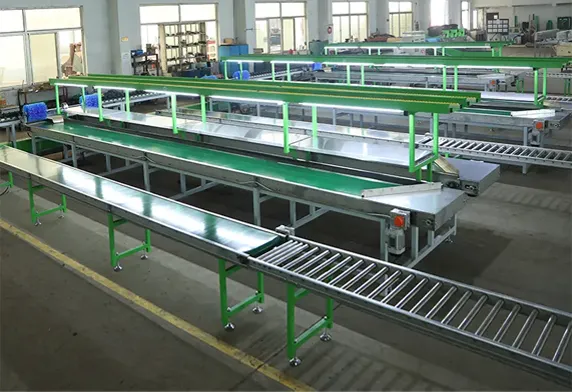
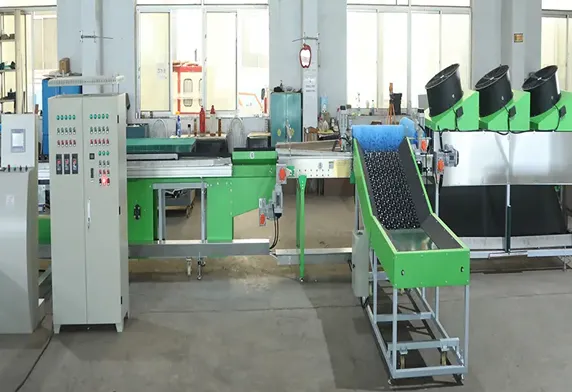
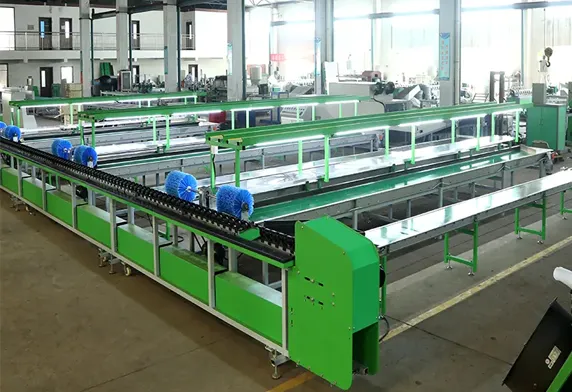
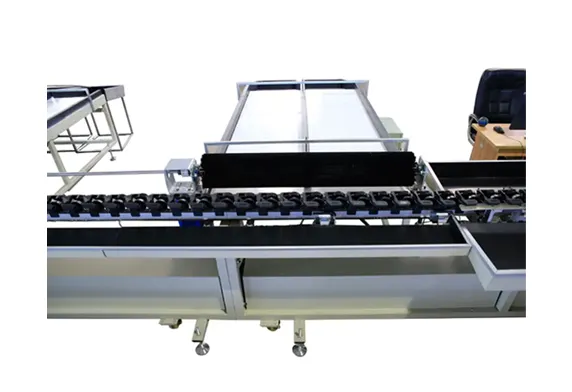
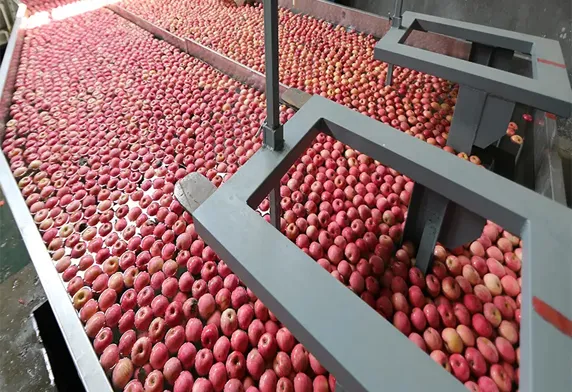

Fresh apples may look similar when they arrive at a packing facility, but a closer look often reveals differences in size, color, surface condition, and maturity. Some apples need extra cleaning, some belong in different size grades, and others may need to be removed before packing. When a business handles large quantities of apples every day, managing these steps by hand can take considerable time and make it harder to keep the finished product consistent.
At Longkou Fushi Packing Machinery Co., Ltd., we understand that fruit processing equipment needs to solve practical production problems. Since our company was founded in 1994, we have focused on machinery manufacturing and customer service. Our product range includes fruit washing, waxing, and sorting machines, PS foam food container production lines, EPE foam processing equipment, Knotless Net Machines, and other Thermoforming Machinery.
Our Apple Washing Sorting And Packing Line is intended for businesses that want to organize several post-harvest operations into a more coordinated production process. Depending on the selected configuration, an apple processing line can include feeding, washing, surface drying, sorting, grading, conveying, and packing. The exact combination should be based on the condition of the incoming apples, the required finished grades, the available factory space, and the customer's production target.
We do not believe every apple packing business needs the same machine arrangement. A small fruit packing house may need a straightforward washing and grading system, while a larger fruit processor may require more sorting outlets, additional conveyors, or a line designed around existing equipment. Some customers focus on domestic wholesale markets, while others prepare apples for supermarkets or export buyers with specific grading and packaging requirements.
In this article, we explain how an apple washing sorting and packing line works, what buyers should check before purchasing, and how we approach machine configuration, production, testing, and delivery. Our aim is to help you understand the equipment before making an investment, so you can ask better questions and choose a system that fits your real production needs.
1. What Is an Apple Washing Sorting And Packing Line?
An Apple Washing Sorting And Packing Line is a group of connected machines designed to prepare apples for sale, storage, or distribution. Rather than handling each operation as a completely separate task, the line creates a planned route from incoming fruit to graded and packed products.
The main operations can include feeding, washing, inspection, drying, grading, conveying, and packing. Not every project requires all these stages. For example, a facility that receives pre-cleaned apples may not need a full washing section. Another customer may want to add a grading machine to an existing washing line instead of purchasing an entirely new production system.
When we discuss an apple processing line with a customer, we first identify the work that needs to be completed. This sounds simple, but it makes a real difference. If the business only needs size grading, adding unnecessary equipment may increase the purchase cost and take up valuable floor space. If the customer needs washing, grading, and packing in one coordinated process, a machine designed for only one of those operations may not meet the production target.
What does each section do?
Feeding section: Transfers incoming apples into the processing line at a controlled rate.
Washing section: Removes suitable surface dirt and other loose material using the selected cleaning method.
Inspection section: Allows unsuitable apples or unwanted material to be identified and removed when this function is included.
Drying section: Reduces surface moisture when required by the following process.
Sorting and grading section: Separates apples according to the machine's defined grading method, such as size or weight, depending on the configuration.
Conveying section: Moves apples between operations and toward the relevant collection points.
Packing section: Helps prepare graded apples for cartons, crates, or other suitable packaging arrangements.
These sections work together, but their design needs to suit the apples being handled. Apple size, shape, ripeness, surface condition, and the way fruit is loaded into the line can all influence the processing result. The machine must also match the packing method used by the business.
Why consider an integrated apple processing line?
When washing, grading, and packing equipment are selected separately without enough planning, the result may be a production area where fruit moves too far, workers need to transfer it repeatedly, or one machine waits for another to finish. An integrated line gives the project team an opportunity to plan product movement from the beginning.
A coordinated layout may reduce unnecessary handling and make the workflow easier to supervise. It can also help a business identify where staff are needed, where collection bins should be placed, and how the finished cartons will leave the packing area. These benefits depend on the actual layout and operation; they are not automatic results of purchasing more equipment.
For us, the purpose of an apple washing sorting and packing line is not simply to connect several machines. It is to build a practical production arrangement around the customer's fruit, grading requirements, and daily workload.
2. How the Apple Washing, Sorting, and Packing Process Works
A well-planned apple processing line follows a logical sequence. The exact process varies with the machine configuration and the customer's requirements, but the following stages provide a useful example of how apples can move through a commercial packing operation.
Step 1: Feeding and preliminary inspection
The process begins when harvested apples arrive at the facility. They may be transferred from field containers, storage bins, or an existing conveyor into the feeding section. The aim is to supply apples at a steady rate without creating large piles or unnecessary pressure on the fruit.
Preliminary inspection can be useful when the incoming crop contains leaves, branches, badly damaged apples, or other material that should not continue through the line. Depending on the selected design, workers may carry out this inspection before washing or at another suitable point in the process.
We recommend discussing the condition of incoming fruit before selecting the feeding equipment. Apples collected carefully from the orchard may require a different handling arrangement from fruit transferred several times before reaching the packing house. The feeding method should limit avoidable impacts and help maintain a stable flow.
Step 2: Washing the apples
Apple washing is intended to remove suitable surface dirt and loose material before the fruit moves to later operations. The washing method should be selected according to the fruit condition, the expected cleaning result, and the design of the equipment. A washing section may use water and suitable mechanical components, depending on the model.
Washing should not be confused with sterilization or a guarantee that fruit is free from every contaminant. The result depends on water quality, equipment condition, operating procedures, and the type of material being removed. Commercial operators should establish suitable cleaning and sanitation procedures for their own facilities and comply with the food safety requirements that apply to their products and markets.
For an apple washing machine, buyers should ask how water is supplied and managed, how the relevant components are cleaned, and what maintenance is needed. If water recirculation is part of the proposed design, the supplier should explain the system and any operating requirements. These details are important for daily use, especially during busy harvest periods.
Step 3: Drying and surface preparation
After washing, apples may need to pass through a drying section before sorting or packing. The purpose is to manage surface moisture according to the following process. The required drying arrangement depends on the line design and the condition of the fruit after washing.
Some customers may also require waxing equipment as part of their wider fruit processing line. Waxing is not necessary for every apple product, and the coating material and process must be appropriate for the intended use and applicable regulations. If waxing is required, buyers should confirm the equipment configuration, process requirements, and permitted materials before placing an order.
We treat washing, drying, and waxing as related but distinct operations. A buyer should not assume that a standard apple washing and sorting machine automatically includes drying or waxing. The quotation should list the included sections and describe the actual functions of each one.
Step 4: Sorting and grading
After the required surface preparation, apples move into the sorting or grading section. This is where the line separates fruit according to the selected criteria. Common commercial criteria include size and weight, while more advanced systems may use optical inspection to evaluate selected visible features. The available method depends on the machine configuration.
Size grading and weight grading are not the same thing. Two apples may have similar diameters but different weights, while apples with the same weight may have different shapes. Optical grading is different again because it relies on an inspection system designed to identify specified visual characteristics.
Before selecting an apple grading machine, we encourage customers to define what each finished grade means. If the buyer needs size categories, the relevant diameter ranges should be established. If weight is the deciding factor, the weight bands and acceptable tolerances should be agreed. If color or selected surface defects matter, the customer should confirm whether the proposed system includes the inspection technology needed for those tasks.
Natural fruit varies, so grading results depend on the machine, its settings, the condition of the incoming apples, and the way fruit is presented to the grading mechanism. For important commercial requirements, we recommend agreeing on a practical test method instead of relying only on general descriptions such as “high accuracy.”
Step 5: Conveying and collecting different grades
Once apples are graded, they need to move to the correct discharge points or collection areas. The number of grades and outlets depends on the sorting system and the customer's sales requirements. Conveyors, collection bins, or other handling equipment may be used to transfer fruit toward packing stations.
Discharge planning is an important part of line design. If collection bins fill too quickly, the sorting section may need to slow down or stop. If the packing team cannot keep up with the supply of graded apples, a machine with a high rated capacity may not deliver the expected overall output.
We therefore recommend reviewing the entire product flow, from feeding to the last packing station. The capacity of each section should be considered together, and the operator should have suitable access for changing bins, inspecting fruit, and performing routine maintenance.
Step 6: Packing and preparation for distribution
After grading, apples can be packed into cartons, crates, or other suitable containers according to the customer's sales channel. The correct packing method depends on the fruit size, packaging design, handling conditions, and buyer requirements.
For domestic wholesale markets, the focus may be on preparing different commercial grades in practical quantities. Supermarket suppliers may need specific pack sizes or presentation standards. Export businesses may need to meet additional destination-market and buyer requirements.
Packaging needs to protect apples from avoidable impact, compression, and abrasion during handling and transport. A sorting line can organize fruit into grades, but good packing practices are still needed to protect the final product. The finished cartons should also be compatible with the storage, loading, and transportation arrangements used by the business.
3. Main Features and Practical Advantages of an Apple Processing Line
When evaluating an Apple Washing Sorting And Packing Line, we suggest looking at the complete production task rather than focusing on one machine name. The practical value comes from how well the selected equipment performs its assigned operations and how smoothly those operations work together.
Coordinated processing from washing to packing
An integrated line can bring several post-harvest operations into one planned workflow. Instead of transferring apples between unrelated work areas, the customer can arrange equipment so that fruit follows a defined route through the facility.
This may help reduce unnecessary movement and make the production process easier to manage. However, the actual benefit depends on the factory layout, operator organization, and the performance of each machine section. We recommend preparing a layout drawing and confirming the direction of fruit movement before production begins.
Grading based on the customer's requirements
Different buyers have different definitions of a saleable apple grade. Some focus on size uniformity, while others need weight-based categories or visual inspection. A suitable apple sorting machine should use a method that matches the grading criteria rather than offering functions that the customer does not need.
When reviewing a proposal, ask how the machine separates grades, how many outlets are included, and whether the grade ranges can be adjusted. Also confirm the conditions under which the supplier expects the machine to achieve its stated performance. This makes it easier to compare different offers fairly.
Fruit handling designed around the product
Apples are agricultural products, not identical industrial components. They vary in size and shape, and their condition can change with variety, harvest maturity, and storage. For this reason, the feeding, conveying, and grading arrangement should be selected with the actual fruit in mind.
We recommend discussing the expected apple size range and any special handling concerns before confirming the configuration. Where the fruit is particularly sensitive to impact or surface marking, the handling process should be reviewed carefully. The purpose is to avoid unnecessary damage while maintaining a practical production flow.
Options for different production scales
A small packing facility and a large fruit processor may need very different equipment arrangements. A smaller operation may prioritize a compact layout and straightforward operation. A larger operation may need more collection outlets, a greater degree of integration, or a line designed to connect with existing equipment.
We discuss the expected processing volume, operating hours, available floor space, and packing requirements before recommending a configuration. The goal is to find a workable balance between production needs and investment cost, rather than assuming that a larger machine is always the better choice.
Maintenance and everyday operation
Routine cleaning and inspection are part of operating Fruit Processing Machinery. Buyers should understand which areas need cleaning, which components are subject to wear, and what checks operators should perform before starting the line.
For equipment that uses water, customers should pay particular attention to cleaning access, drainage arrangements where applicable, and the maintenance of water-related components. For mechanical and electrical parts, the operating manual should explain relevant inspection and maintenance procedures.
We recommend confirming the supply of manuals, any included tools or spare parts, and the process for requesting technical support. These details may not look as important as the initial purchase price, but they matter once the machine becomes part of daily production.
Comparison of common apple grading methods
There is no single grading method that suits every apple packing operation. The following table summarizes common approaches and their main considerations. It is a general comparison of grading principles, not a statement that every method is included in our standard apple processing line.
| Grading method | Main criterion | Potential application | What buyers should confirm |
|---|---|---|---|
| Size grading | Diameter or other defined dimensions | Separating apples into size categories | Measurement method, size range, grade count, and acceptable tolerance |
| Weight grading | Mass of each apple | Preparing weight-based commercial grades | Weight range, weighing method, and operating conditions |
| Optical grading | Selected visible features such as color, shape, or surface defects | Applications that require visual classification | Inspection functions, lighting conditions, detection criteria, and test method |
| Manual inspection | Visual assessment by trained operators | Removing obvious defects or checking machine output | Staffing, inspection position, and acceptance rules |
Sources: USDA Agricultural Marketing Service, United States Standards for Grades of Apples; FAO, Manual for the Preparation and Sale of Fruits and Vegetables. The table is a general summary of grading approaches. It does not represent measured performance data for a particular machine model.
4. How to Choose the Right Apple Washing Sorting And Packing Line
Buying fruit processing machinery is a significant decision, particularly when the equipment will be used during a short and busy harvest season. We suggest preparing the main production details before requesting a quotation. The clearer the requirements, the easier it is to select suitable equipment and compare different suppliers' proposals.
Confirm the type and condition of apples
Start by identifying the apple varieties that will pass through the line. Different varieties can have different size ranges, shapes, surface conditions, and commercial requirements. If the same line will handle multiple varieties, tell the supplier how frequently the product changes and whether the machine must be adjusted between batches.
Next, describe the condition of the incoming apples. Are they freshly harvested, already washed, or stored before processing? Do they arrive in bins, crates, or on a conveyor? Is the crop generally clean, or does it carry soil and plant material that must be removed?
These details affect the selection of feeding and washing equipment. They can also influence the need for preliminary inspection, surface drying, or additional handling components.
Define the required grades and quality criteria
Before selecting a grading system, decide how many categories are required and what distinguishes one category from another. If the business sells apples by diameter, establish the size ranges. If it sells by weight, identify the target weight bands. If appearance is important, define which visible characteristics need to be assessed.
Where the buyer uses an established grade standard, share the relevant document with the supplier. A machine's ability to sort by size does not automatically mean that it can assess every quality factor in a commercial grade standard. External appearance, maturity, internal condition, and other requirements may need different inspection methods.
The USDA Agricultural Marketing Service provides published grade standards for apples. Buyers supplying the United States market can use the relevant standard as a reference when discussing commercial grading requirements, while also confirming any additional buyer-specific rules.
Source: USDA Agricultural Marketing Service, Apples: Grades and Standards.
Estimate the required processing capacity
Capacity should be calculated around the actual production schedule. A packing house may process a large amount of fruit during harvest and much less at other times. If the line cannot handle the busiest period, the business may face delays when orders are waiting. On the other hand, an oversized line may require more investment, floor space, and supporting equipment than the operation can use efficiently.
Ask the supplier to state capacity in a clear unit, such as kilograms per hour, tonnes per hour, or apples per minute. These units are not interchangeable. A capacity figure should also be linked to the expected apple size, grading method, and operating conditions.
When the capacity is important to the purchase decision, we recommend agreeing on a test procedure. The test should identify the fruit variety, approximate size range, feeding conditions, grading settings, and method used to record the result. This gives both parties a clearer basis for assessing whether the proposed machine suits the operation.
Review the available factory space
A fruit processing line needs more room than the footprint of the main machine alone. Operators need access to load fruit, remove collection bins, inspect the equipment, and carry out cleaning and maintenance. There must also be enough space for incoming fruit, packed cartons, and the movement of workers or handling equipment.
We recommend providing a floor plan or a drawing of the installation area whenever possible. Include the location of doors, columns, drainage points, power connections, and existing machinery. This information helps the project team consider the direction of product flow and the space required for each section.
Check how the machine will connect to other equipment
If you already own a washing machine, grading machine, conveyor, or packing station, explain how it is currently used. The new equipment may need to connect with existing machinery, but compatibility cannot be assumed from product names alone. Machine height, conveying direction, operating speed, control arrangements, and physical dimensions all need to be reviewed.
If you are planning a new line, consider the complete process from fruit receiving to finished packaging. This helps avoid a situation in which the washing section processes fruit faster than the grading section can handle it, or the packing station cannot keep pace with the output.
Compare quotations using the same checklist
Two quotations may describe similar equipment while including different components, grading functions, or support arrangements. A fair comparison should use the same set of requirements for every supplier.
| Purchase item | Information to request | Why it matters |
|---|---|---|
| Scope of supply | Included machines, conveyors, controls, accessories, and optional sections | Prevents confusion about what the quoted price covers. |
| Technical specifications | Dimensions, power requirements, materials, and operating conditions | Helps confirm suitability for the factory and product. |
| Grading requirements | Sorting method, grade ranges, outlet count, and agreed tolerances | Links machine functions to actual commercial needs. |
| Capacity | Rated output, measurement unit, and test conditions | Makes performance claims easier to compare. |
| Testing and acceptance | Inspection items, test method, records, and acceptance criteria | Clarifies how the delivered machine will be evaluated. |
| Delivery arrangements | Production schedule, packaging, shipping terms, and required documents | Helps the buyer plan transport and installation. |
| After-sales service | Warranty, manuals, spare parts, and technical support arrangements | Clarifies support responsibilities after delivery. |
Source: This table is a practical procurement checklist prepared for this article. It is informed by general fresh-produce handling principles in the FAO's Good Practice in the Design, Management and Operation of a Fresh Produce Packing-House. The checklist is not an official standard issued by the FAO.
5. Applications in Fruit Packing, Wholesale, and Export Operations
An Apple Washing Sorting And Packing Line can be considered by several types of businesses. Although they may process the same fruit, their daily priorities can be quite different. We encourage buyers to evaluate the line according to the way apples are received, graded, packed, and delivered to customers.
Commercial apple packing houses
Packing houses often receive apples from orchards or collection centers and prepare them for wholesale or retail distribution. Depending on the facility, the process may include preliminary inspection, washing, drying, grading, and packing. A coordinated line can help arrange these tasks in a clear sequence.
Seasonal production is an important consideration. During harvest, a packing house may need to process more fruit within a limited period. The equipment layout should account for peak volumes, storage bins, packing materials, finished cartons, and operator access. Buyers should also consider what happens when the fruit supply temporarily exceeds the line's processing capacity.
Agricultural cooperatives and fruit collection centers
Cooperatives may collect apples from different growers, which means the incoming fruit can vary in size and condition. A defined grading process helps organize these batches according to agreed commercial requirements.
Before investing in an apple grading machine, the cooperative should determine whether it will process one variety at a time or several varieties during the season. It should also decide how grades will be recorded, how collection bins will be managed, and who will check the finished product.
If the facility handles fruit from multiple growers, traceability and batch identification may be important parts of the wider process. These functions should be planned alongside the sorting and packing operation rather than assumed to be included in the machine.
Fresh produce wholesalers and distributors
Wholesalers often prepare fruit for customers with different size, appearance, or packaging preferences. An organized sorting line can help separate fruit into defined categories before packing or dispatch.
For this type of business, the number of grading outlets and the arrangement of collection points can be particularly important. If different grades are sold to different customers, the discharge and packing areas should be arranged so that fruit can be identified and handled without unnecessary mixing.
Supermarket suppliers
Supermarket supply operations may have specific requirements for carton sizes, product presentation, labeling, and grade consistency. The washing and grading line can support fruit preparation, but the final packing specification must be established with the buyer.
We recommend confirming whether the packing process is manual, semi-automatic, or connected to additional equipment. The selected line should fit the actual packaging workflow, including carton supply, finished-product collection, and the space needed for workers.
Export-oriented apple businesses
Export businesses may need to satisfy destination-market regulations, customer specifications, packaging requirements, and inspection procedures. These requirements vary by country and buyer, so the equipment selection should be based on the actual export plan.
A sorting machine can support grading according to defined criteria, but it does not automatically certify that apples meet every export requirement. Depending on the destination and product specification, additional checks may be needed for quality, food safety, labeling, traceability, or other matters.
The FAO's guidance on fresh-produce packing houses emphasizes that sorting, grading, handling, and packaging are connected parts of preparing produce for the market. Good process planning should consider the whole operation rather than focusing on grading equipment alone.
Source: FAO, Good Practice in the Design, Management and Operation of a Fresh Produce Packing-House.
Comparing priorities across different operations
The following table gives a simple overview of the priorities that may influence equipment selection for different types of apple businesses.
| Business type | Main operating priority | Equipment planning consideration |
|---|---|---|
| Packing house | Processing seasonal fruit volumes | Balance feeding, grading, collection, and packing capacity. |
| Agricultural cooperative | Handling fruit from different growers | Define product batches, varieties, and grading criteria. |
| Wholesale distributor | Preparing several commercial grades | Plan grade outlets and separate collection areas. |
| Supermarket supplier | Meeting retail presentation requirements | Coordinate grading with carton sizes, labeling, and packing work. |
| Export business | Meeting buyer and destination requirements | Confirm applicable standards, documentation, and inspection procedures. |
Source: Application analysis based on the general handling and packing principles described in the FAO's fresh-produce packing-house guidance. The table describes typical planning priorities, not measured market statistics.
6. Our Manufacturing, Quality Inspection, and Delivery Process
At Longkou Fushi Packing Machinery Co., Ltd., we believe a successful machinery project starts with a clear understanding of the customer's requirements. Since our establishment in 1994, we have continued to develop our machinery business around product quality and customer service. Our experience covers fruit washing, waxing, and sorting machines, as well as packaging and foam processing equipment.
For an apple washing sorting and packing line, we focus on the practical details that determine whether the proposed system will suit the customer's operation. These include the fruit variety, expected production volume, required grades, available installation area, and the connection between each processing stage.
Requirement confirmation and configuration planning
Before production begins, we need to establish the technical scope of the order. This includes the machines to be supplied, the intended process sequence, the grading method, the required number of grades, and any optional sections such as drying or waxing equipment.
We also review the site conditions. Existing conveyors, floor space, electrical supply, water connections, drainage where applicable, and operator access can all affect the final arrangement. Where possible, a factory layout drawing helps both sides confirm the machine positions and product flow before the design is finalized.
We encourage buyers to request a written technical proposal that identifies the included equipment and its main parameters. Optional functions should be listed separately so that the customer understands which features are included in the quoted price and which require additional investment.
Manufacturing and assembly
Once the specifications are agreed, the machine is produced and assembled according to the confirmed order requirements. Buyers should pay attention to the overall construction, the grading mechanism, conveying components, drive system, electrical arrangement, and the materials used in areas that contact the fruit.
The exact components and materials depend on the machine design. We therefore recommend confirming the relevant specifications in the technical documents rather than assuming that every model uses the same configuration. If the buyer has particular requirements for materials, cleaning procedures, or electrical components, these should be discussed before production.
Inspection and operational testing before shipment
Before delivery, the equipment should undergo inspection and operational testing appropriate to the machine and the agreed purchase requirements. Basic checks can verify assembly, movement, and the operation of included components. Where grading performance is a key purchasing requirement, the test should also define how the result will be assessed.
For an apple sorting line, we recommend confirming whether testing will use representative apples and how the test will be carried out. The fruit variety, size range, feeding conditions, grading settings, and acceptance criteria should be recorded if they are part of the agreed performance test.
A machine that starts and runs has passed a basic operational check, but this alone does not prove that it meets every grading requirement. Clear acceptance criteria help both the supplier and buyer understand what needs to be verified before shipment.
Production cycle and payment terms
The typical production cycle for our fruit processing equipment is approximately 20–45 days. The actual lead time depends on the machine specifications, degree of customization, order quantity, production schedule, and the time required to confirm technical details.
This range should be used for initial planning rather than treated as a guaranteed shipment date. We recommend confirming the expected completion date and shipping schedule in the sales contract, particularly when the equipment is needed before a specific harvest period.
Payment terms generally follow T/T, with a deposit and the balance paid before shipment, subject to agreement. The contract should clearly state the payment schedule, currency, and other applicable commercial terms.
Packaging and international shipping
Sea freight is commonly used for international machinery orders. Land or air transportation may be available depending on the destination, delivery schedule, machine dimensions, and transport requirements.
Packaging is selected according to the size and structure of the equipment and the expected shipping conditions. Options may include protective film, moisture-resistant materials, wooden cases, or reinforced frames. The purpose is to help protect the machine against moisture, dust, movement, and impact during transportation and handling.
Before shipment, buyers should confirm the packing method, shipping terms, delivery destination, required documents, and responsibilities for customs clearance and local transport. These arrangements can affect the final cost and installation schedule.
Installation guidance and after-sales support
We aim to provide customers with clear communication before, during, and after the sale. Installation guidance, operating instructions, and technical support can be discussed before ordering. The available service and its scope should be confirmed according to the specific project.
We recommend that buyers confirm warranty coverage, spare parts, maintenance requirements, and the procedure for requesting assistance. It is also helpful to prepare the installation area before the machine arrives, including the necessary space, utilities, and lifting arrangements.
Our approach is straightforward: clarify the requirements, confirm the technical configuration, agree on the testing and delivery arrangements, and make sure both sides understand the responsibilities involved. This helps customers prepare for installation and use the equipment more effectively.
7. Frequently Asked Questions About Apple Washing Sorting And Packing Lines
Q1: What does an Apple Washing Sorting And Packing Line do?
It is a connected system designed to prepare apples for sale or distribution. Depending on the selected configuration, it may include feeding, washing, drying, sorting, grading, conveying, and packing equipment. The exact functions depend on the agreed scope of supply.
Q2: Can one line handle different apple varieties?
Potentially, yes, but suitability depends on the varieties, size ranges, shapes, and handling requirements. Buyers should tell the supplier which apples will be processed and whether the line must change between varieties. The final configuration should be confirmed against those requirements.
Q3: Does the line include washing, sorting, and packing as standard?
The included functions depend on the selected model and quotation. Some projects need only washing and grading, while others require a more complete line with conveyors, drying, or packing equipment. Buyers should ask for a written list of included machines and optional components before placing an order.
Q4: Can the apple sorting machine grade by size and weight?
Size grading and weight grading use different methods. Whether one machine can provide both functions depends on the proposed configuration. Buyers should define their required grading criteria and confirm which methods are included in the technical offer.
Q5: Can the machine identify damaged apples?
That depends on the inspection system included in the selected configuration. Basic mechanical grading should not be assumed to detect all surface defects. If the customer needs optical inspection for color, shape, or selected visible defects, the required features and test conditions should be confirmed separately.
Q6: How do I determine the required production capacity?
Estimate the amount of apples you need to process during the busiest period, then consider the number of operating hours, fruit size, grading method, and packing speed. Ask the supplier to state the rated capacity in a clear unit and explain the conditions under which it is expected to be achieved.
Q7: Is an integrated line better than buying separate machines?
It depends on the existing facility and production plan. An integrated line can simplify layout planning and product movement, while separate machines may be more suitable for a facility that already owns usable equipment. Compare the total cost, compatibility, floor space, and expected workflow before deciding.
Q8: How long does manufacturing take?
The typical production cycle for our fruit processing equipment is approximately 20–45 days, depending on specifications, customization, and order quantity. The confirmed lead time should be agreed in writing because the actual schedule may vary from one project to another.
Q9: What information should I provide when requesting a quotation?
Provide the apple varieties, approximate size range, incoming fruit condition, target capacity, required grades, desired processing steps, available factory space, and details of existing equipment. A layout drawing, photos, or buyer specification can help the supplier understand the project more accurately.
Q10: How should machine acceptance be arranged?
Agree on the inspection items and acceptance criteria before production is completed. If grading performance matters, define the fruit used for testing, operating conditions, grade ranges, and the method for recording results. The agreed procedure should be documented in the purchase contract or related technical documents.
Q11: What packaging and shipping methods are available?
Sea freight is common for international machinery orders, while other transport options may be considered according to destination and schedule. Packaging may include protective film, moisture-resistant materials, wooden cases, or reinforced frames. Confirm the final packing specification, shipping terms, and delivery arrangements before shipment.
Q12: Can I request a customized apple processing line?
Customization can be discussed according to fruit type, required capacity, grading criteria, factory layout, and existing equipment. The supplier should review these details and provide a technical proposal that clearly states the configuration, included functions, dimensions, lead time, and acceptance requirements.
Q13: What should I confirm about after-sales service?
Before purchasing, confirm the operating manual, installation guidance, warranty terms, spare parts, maintenance procedures, and the available method of technical support. The exact service scope should be stated clearly so that both sides understand the arrangements after delivery.
Conclusion: Build an Apple Processing Line Around Your Production Needs
An Apple Washing Sorting And Packing Line for Efficient Fruit Processing and Packaging can help fruit businesses organize post-harvest operations into a clearer workflow. Washing, grading, conveying, and packing each have a different purpose, and the final result depends on how well the equipment is selected and arranged.
At Longkou Fushi Packing Machinery Co., Ltd., we have been manufacturing machinery since 1994. Our fruit processing equipment range includes washing, waxing, and sorting machines, and we understand the importance of matching the machine configuration to the customer's actual production requirements.
Before choosing an apple processing line, we recommend confirming the fruit varieties, target capacity, required grading method, number of grades, packing format, and available installation space. It is also important to agree on technical specifications, inspection procedures, delivery terms, warranty coverage, and after-sales support in writing.
If you are planning a new apple packing facility or upgrading an existing fruit processing operation, contact Longkou Fushi Packing Machinery Co., Ltd. to discuss your requirements. With clear product information and a practical production plan, we can work with you to evaluate a suitable apple washing, sorting, and packing line for your business.



 Phone